RBA
ISO 9001
IATF 16949
ISO 14001
ISO 45001
IECQ 080000
UL 94
RoHs
REACH
D-U-N-S

Silicone・TIMs

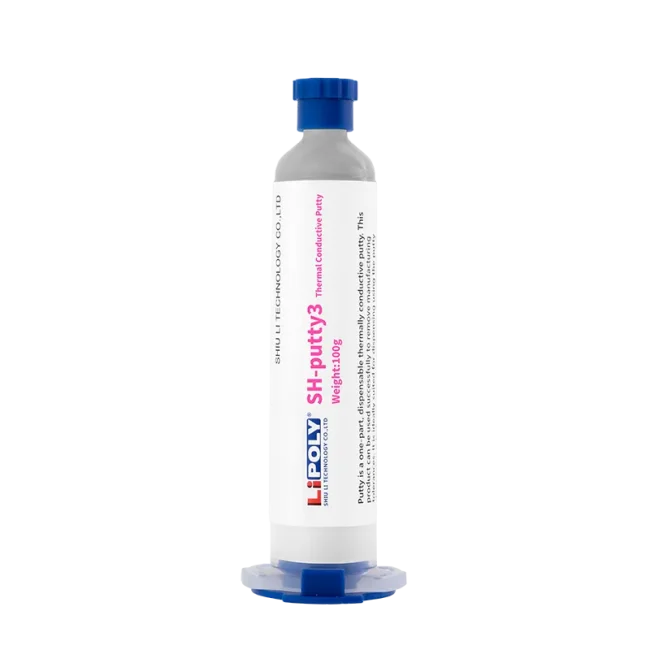
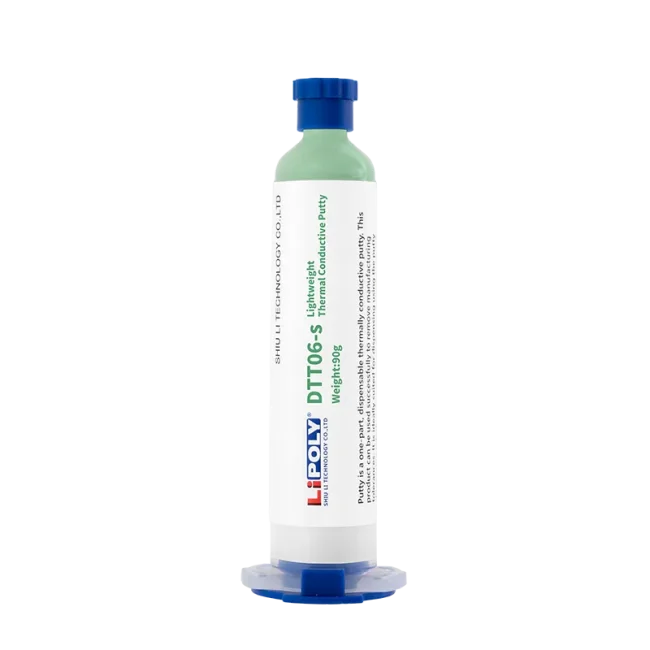
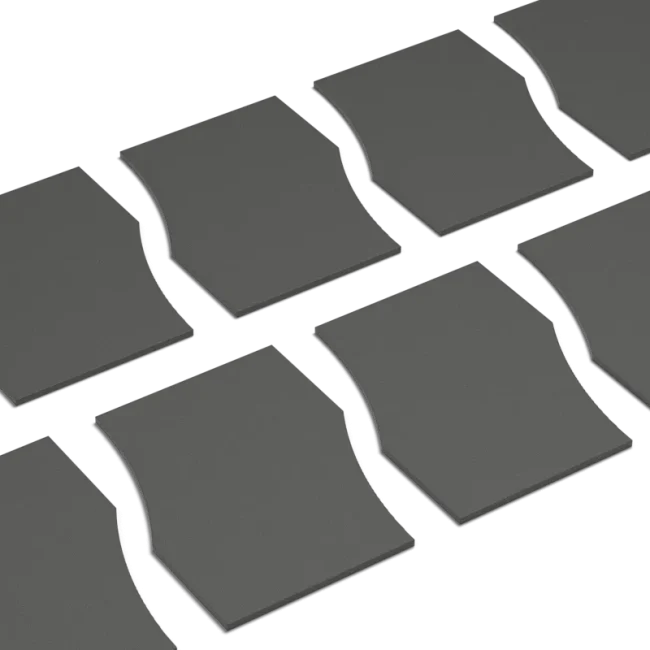
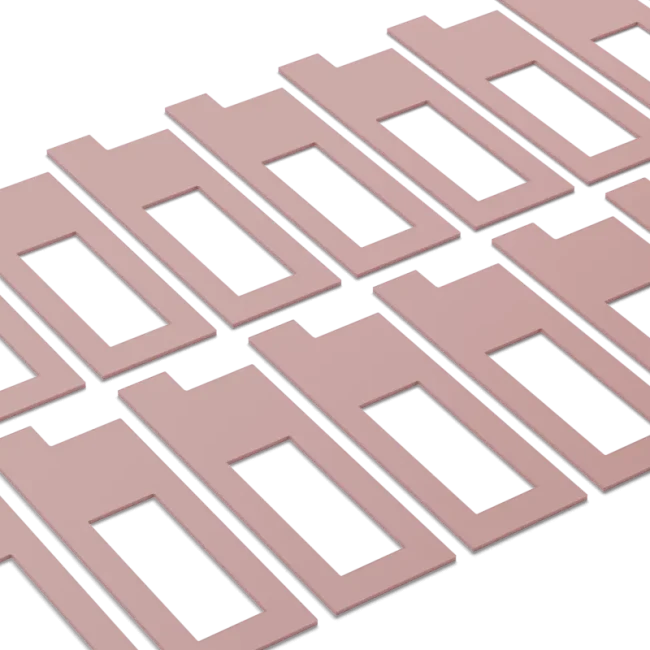
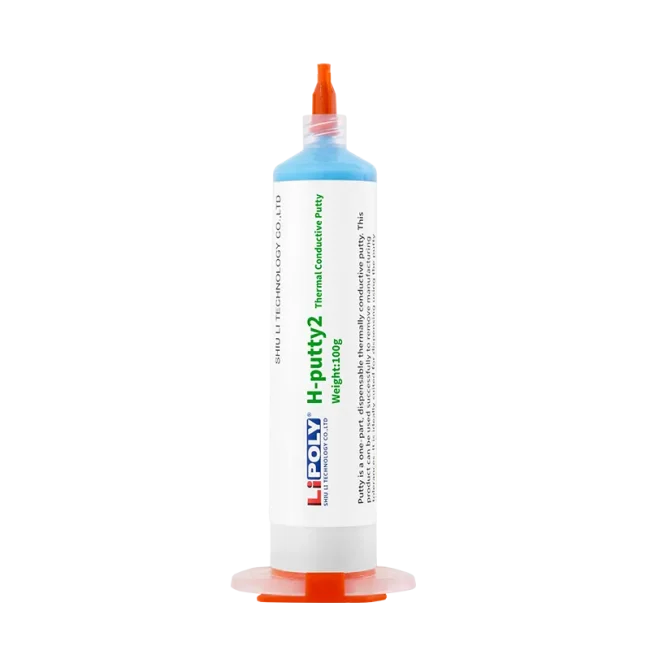
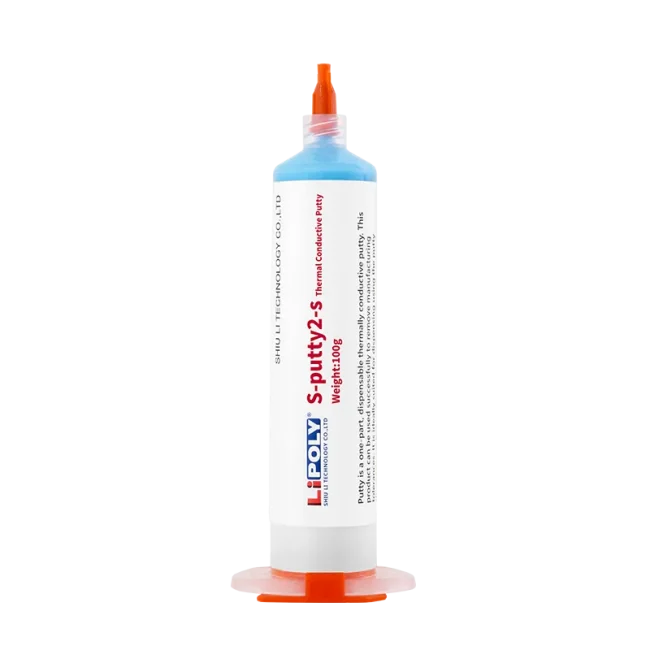
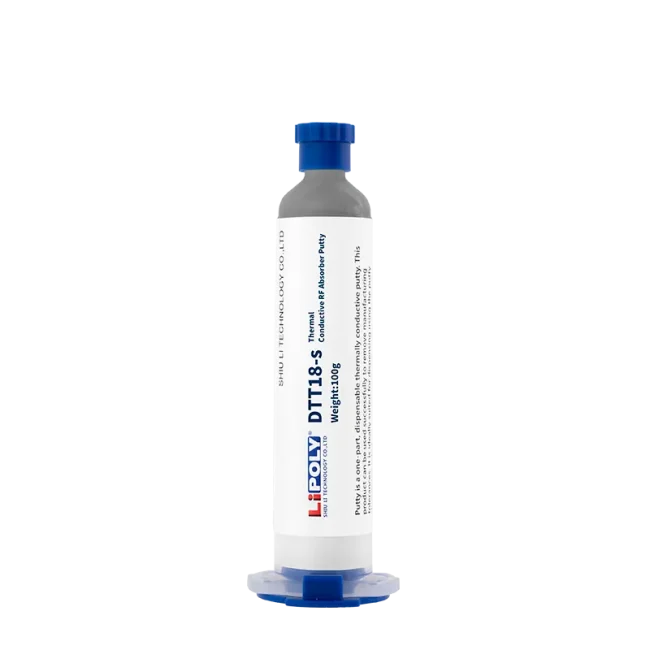
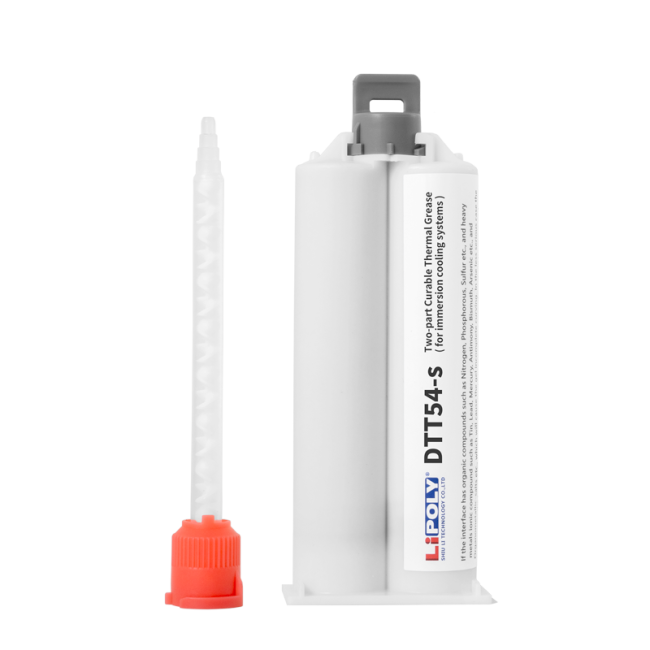
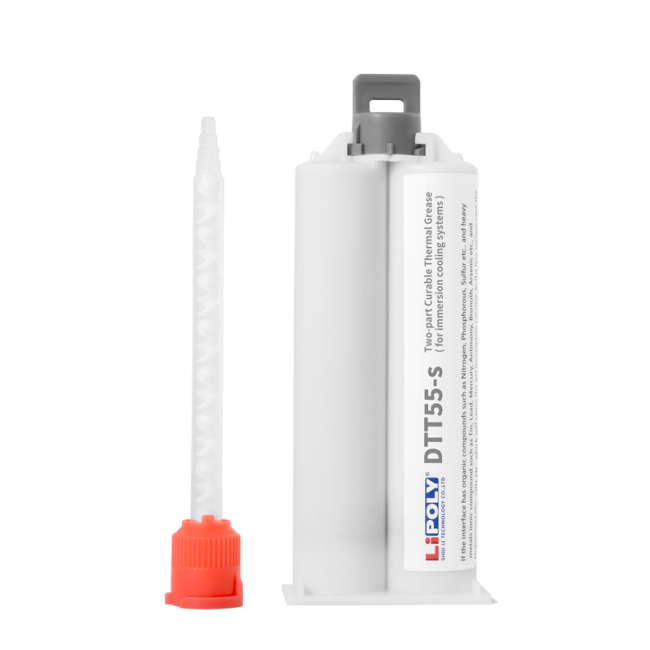
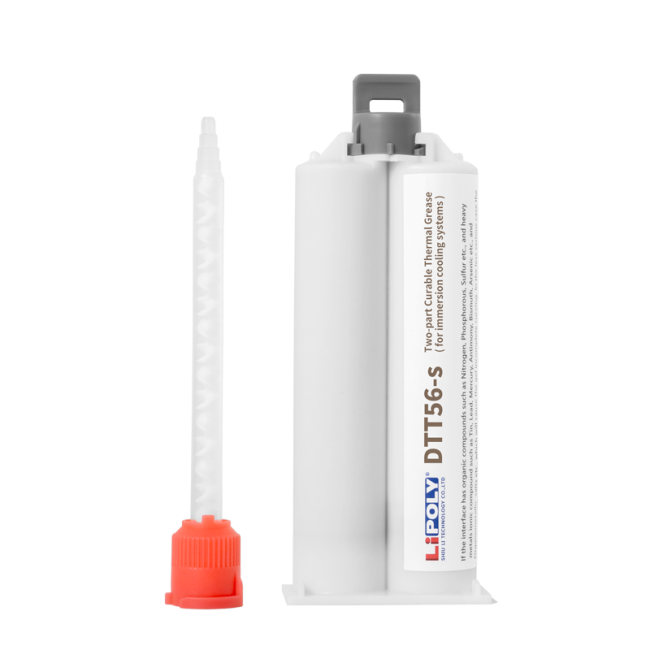
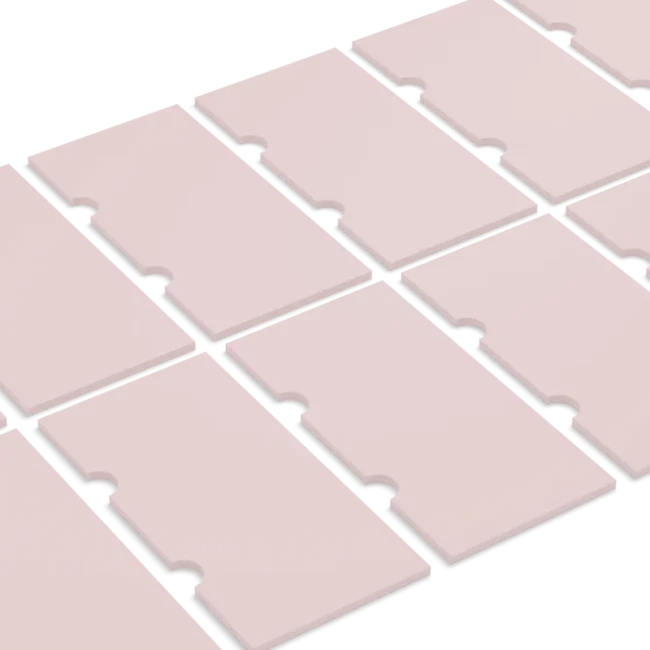
Silicon-based thermal interface materials feature ultra-high thermal conductivity, providing effective heat dissipation enhancement and enabling equipment to maintain high-performance operation for extended periods. They typically use silicone oil or silicone elastomers as the base material, mixed with metal oxides or other high thermal conductivity fillers. Thermal pads are suitable for gap-filling thermal conduction applications with multiple heat sources, commonly used in automotive electronics, 5G base stations, and aerospace fields.


8.0 W/m·K
High Thermal Conductive
8.0 W/m·K
No Vertical Flow
7.0 W/m·K
Fast Curing in room temperature
6.0 W/m·K
Low minimum bond line
6.0 W/m·K
Thermal & Absorber
6.0 W/m·K
Nano Thermal Grease
6.0 W/m·K
No Vertical Flow
6.0 W/m·K
No Vertical Flow
4.0 W/m·K
Stable thermal performance at elevated temperatures.
5.0 W/m·K
Stable thermal performance at elevated temperatures.
6.0 W/m·K
Stable thermal performance at elevated temperatures.
1.3 W/m·K
Low minimum bond line
3.2 W/m·K
Low minimum bond line
4.5 W/m·K
Low minimum bond line

Thermal Solutions Expert

SHIU LI TECHNOLOGY CO., LTD.

Taoyuan City, Bade District, Yongfeng Road, No. 435

Contact Us

News | N-putty5, N700C & N800 Series non-silicone thermal materials meet ASTM E595 requirements. See datasheets.