Stable thermal management for high-reliability electronic systems
From satellites and UAVs to avionics and defense electronics, LiPOLY provides low-outgassing, high-reliability, and lightweight thermal materials to help improve system stability and long-term reliability in harsh environments.
As satellite communications, UAVs, autonomous flight systems, and avionics continue to advance, the power density of electronic systems keeps increasing. Thermal management has become a key factor affecting equipment performance and reliability.
01
Challenge
Extreme Temperature Environments
Materials must withstand high/low temperature cycling and rapid temperature changes.
02
Challenge
Low Outgassing Requirements
Prevent volatile substances from contaminating optical lenses, sensors, and precision components.
03
Challenge
Lightweight Design
Balance thermal performance within limited weight budgets.
04
Challenge
Long-Term Reliability
Meet the requirements of long-duration operation and high reliability.
Aerospace Applications
Thermal materials are widely used in various aerospace electronic systems
Scenario
Satellite Systems
Communication modules
Optical payloads
Power management systems
Attitude control systems
Scenario
UAV
Flight control modules
AI computing platforms
Battery systems
Communication Equipment
Scenario
Avionics Systems
Navigation equipment
Radar systems
Power modules
Mission computers
Scenario
Defense Electronics
Communication systems
Detection equipment
Control modules
High-reliability electronic platforms
Why Choose LiPOLY?
Thermal material capabilities built for aerospace applications
From material development and reliability validation to quality management, LiPOLY continues to invest in high-reliability thermal material technologies, helping customers meet the strict aerospace requirements for performance, cleanliness, and reliability.
ASTM E595 Low Collected Volatile Condensable Material (CVCM)
Meets aerospace requirements for low-outgassing materials, suitable for satellites, optical systems, and highly sensitive electronic devices.
Low Total Mass Loss (TML)
Low material volatilization under vacuum and high-temperature environments helps reduce long-term performance degradation.
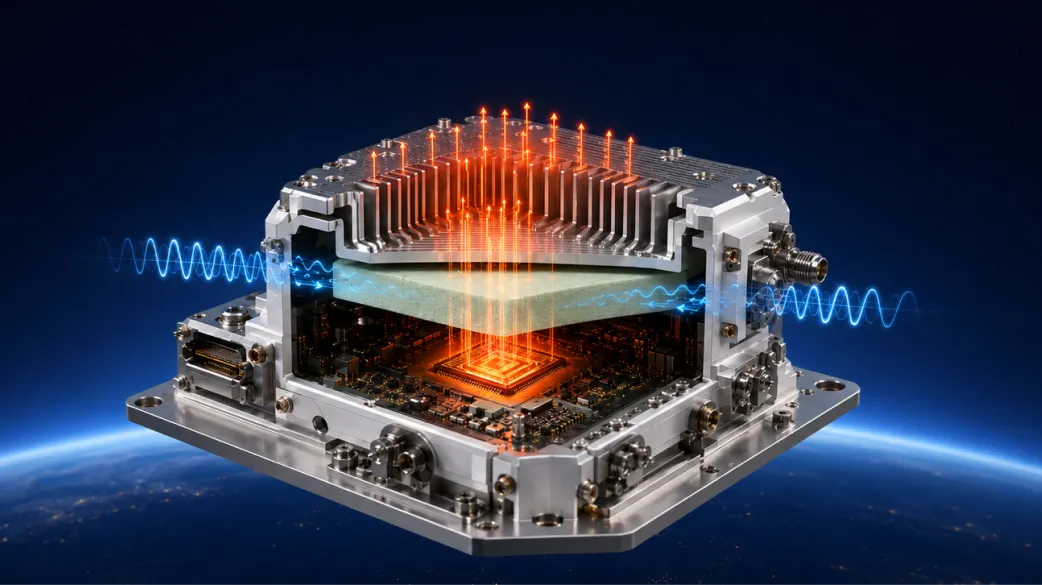
Aerospace electronic systems must address both heat dissipation from high-power components and high-frequency electromagnetic interference (EMI). This article explains how thermal conductive RF absorbers work, the performance requirements for aerospace environments, typical application scenarios, and how to choose between silicone and non-silicone materials.
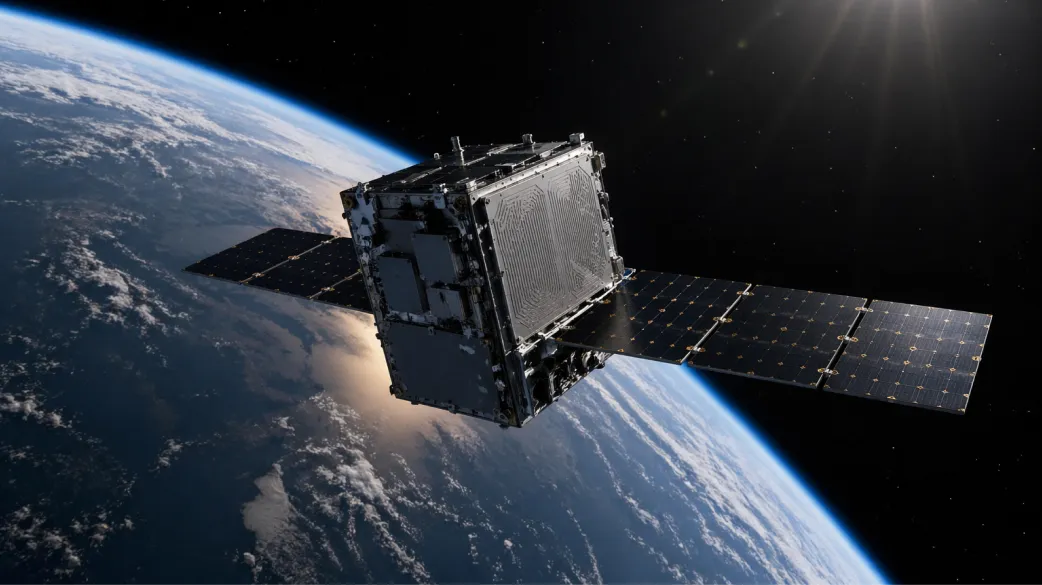
In Low Earth Orbit (LEO) satellite and space equipment applications, the outgassing characteristics of materials directly impact device reliability. When volatile compounds are released in a vacuum environment, they can contaminate optical lenses, sensors, and precision electronic components. Adopting low outgassing thermal interface materials (TIMs) not only maintains stable heat dissipation performance but also effectively enhances the long-term operational reliability of satellite systems
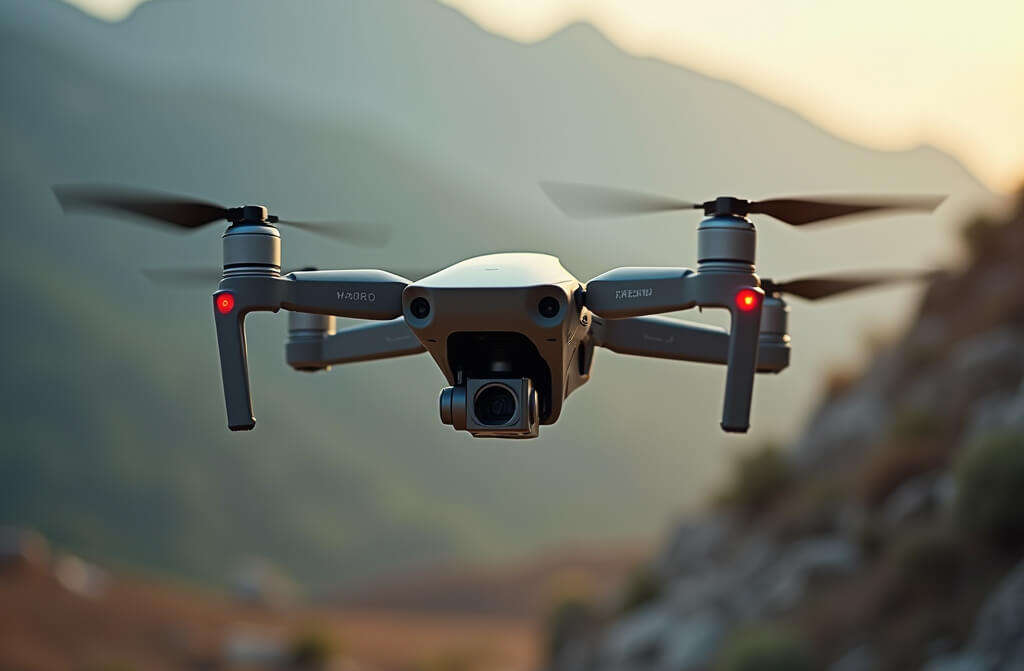
Lightweight drones must integrate high-performance electronic equipment within limited space and weight constraints, making thermal management a critical aspect of design[cite: 1]. By selecting appropriate thermal interface materials (TIMs) and thermal management solutions, it not only improves system stability but also helps extend the lifespan of electronic components and enhance flight reliability
Discuss Your Aerospace Application Needs with Us
Whether you are developing satellites, UAVs, avionics systems, or defense electronics, the LiPOLY team is ready to share thermal material application experience and help you evaluate the most suitable thermal solution.
support_agent
Technical Support
Evaluate the best thermal solution
trackpad_input
Material Selection
Quickly identify the right material combination
dashboard_2_edit
Custom Solutions
Create dedicated material solutions according to your needs
Thermal Solutions Expert
SHIU LI TECHNOLOGY CO., LTD.
Taoyuan City, Bade District, Yongfeng Road, No. 435
Product News | N700C, N800A-s, N800B, and N800C Non-Silicone Thermal Pads Comply with ASTM E595 Test Requirements. For detailed specifications, please refer to the product datasheets.