RBA
ROHS
REACH
UL
IATF 16949
ISO 14001
ISO 9001
ISO/TS 16949
IECQ 080000

Technical

A total of 7 articles
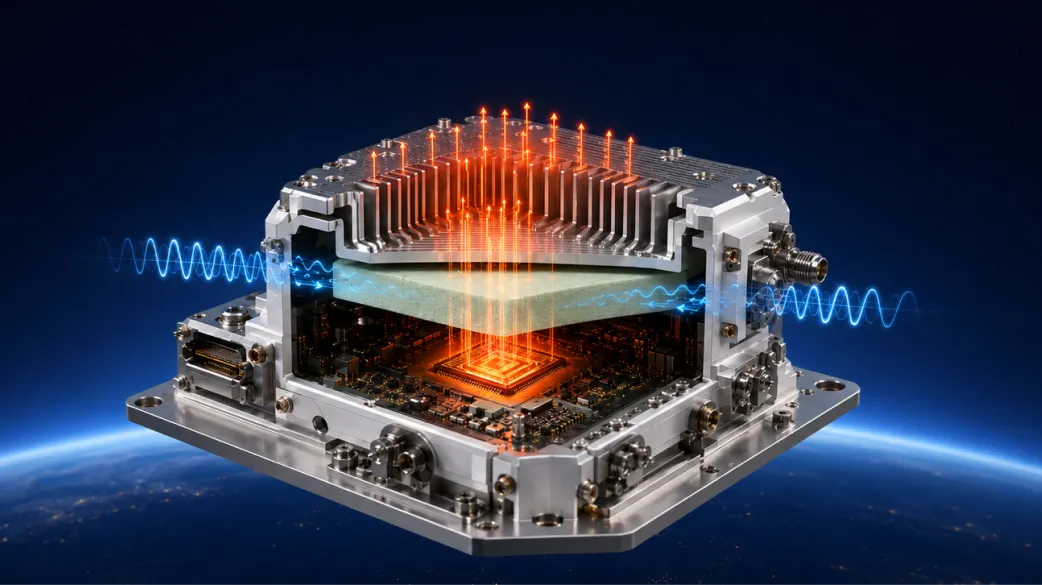
In Low Earth Orbit (LEO) satellite and space equipment applications, the outgassing characteristics of materials directly impact device reliability[cite: 1]. When volatile compounds are released in a vacuum environment, they can contaminate optical lenses, sensors, and precision electronic components[cite: 1]. Adopting low outgassing thermal interface materials (TIMs) not only maintains stable heat dissipation performance but also effectively enhances the long-term operational reliability of satellite systems
With the exponential growth of high-performance computing (HPC) and artificial intelligence (AI) chips, conventional air cooling and general liquid cooling systems are rapidly approaching their physical thermal limits. Immersion cooling technology has officially emerged as the leading strategic architecture for next-generation data centers and high-power AI server thermal management.
Many believe that immersion cooling systems can directly dissipate heat, making thermal interface materials unnecessary. However, in practical applications, gaps still exist between chips, heatsinks, and other components. Without appropriate thermal pads, heat transfer efficiency decreases, and system reliability may be compromised. Understanding the role of a Thermal Pad in an immersion cooling environment is a critical key to enhancing thermal performance.
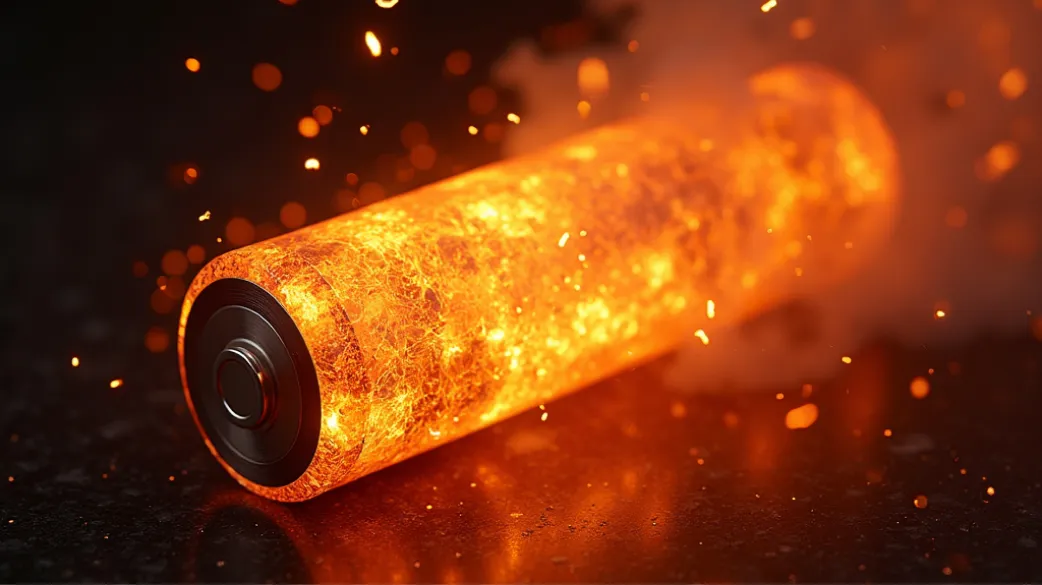
The fire incident at the California lithium battery energy storage plant has once again highlighted the safety challenges faced by large-scale energy storage systems[cite: 1, 2]. When a battery experiences thermal runaway, it can trigger a chain reaction and release flammable or harmful gases, impacting the surrounding environment and the health of local residents[cite: 1, 2]. Through comprehensive thermal management design and robust safety protection measures, the risk of such accidents occurring can be effectively reduced
Lithium battery thermal runaway refers to a sharp increase in battery temperature under physical damage or short-circuit conditions, leading to the decomposition of the electrolyte and the generation of flammable gases[cite: 1, 2]. If this affects adjacent battery modules, it can trigger a chain reaction, ultimately resulting in fire or explosion
Thermal runaway is one of the most critical safety issues in lithium battery systems[cite: 1, 2]. As energy storage systems continue to expand in scale, California has introduced relevant fire safety regulations, requiring operators to mitigate the risks of fire and thermal runaway propagation through testing verification, thermal management design, and risk control mechanisms
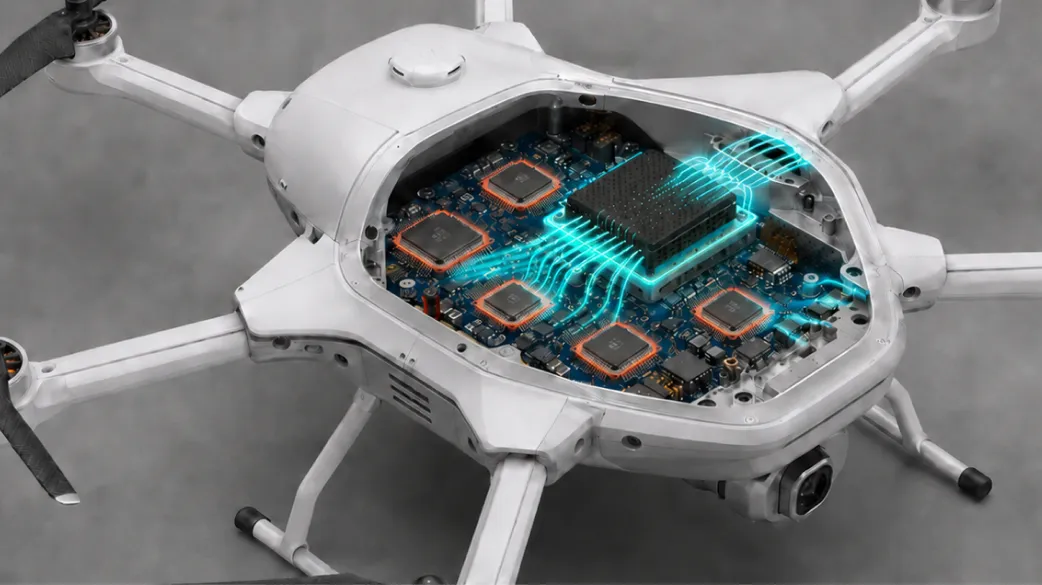
Lightweight drones must integrate high-performance electronic equipment within limited space and weight constraints, making thermal management a critical aspect of design[cite: 1]. By selecting appropriate thermal interface materials (TIMs) and thermal management solutions, it not only improves system stability but also helps extend the lifespan of electronic components and enhance flight reliability

Thermal Solutions Expert

LiPOLY® Advance TIMs

Taoyuan City, Bade District, Yongfeng Road, No. 435

Contact Us

N800C Non-Silicone Thermal Pad – Compliant with ASTM E595 Low Outgassing Standards

View Datasheet