News
A total of 25 articles
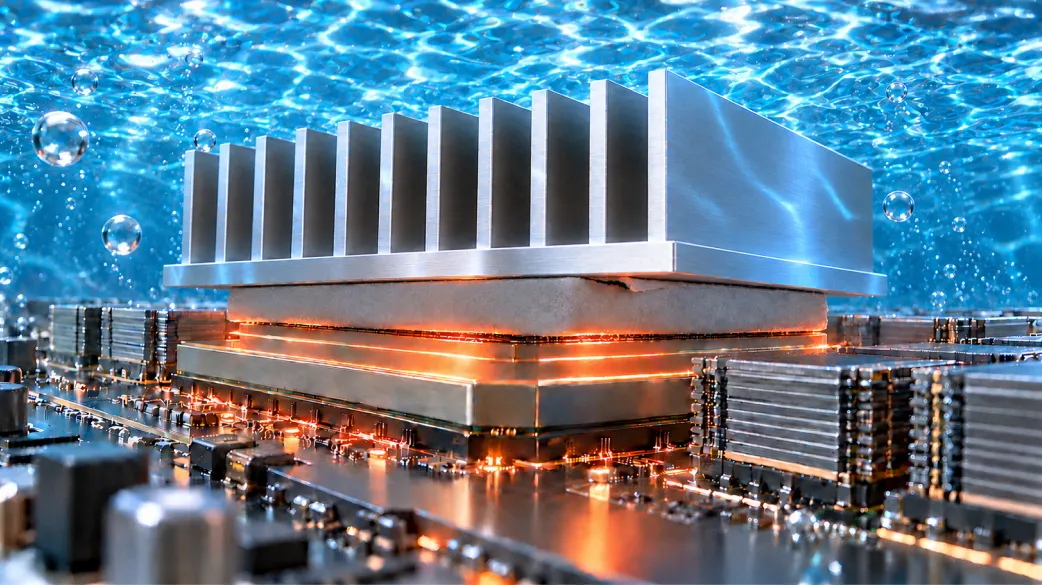
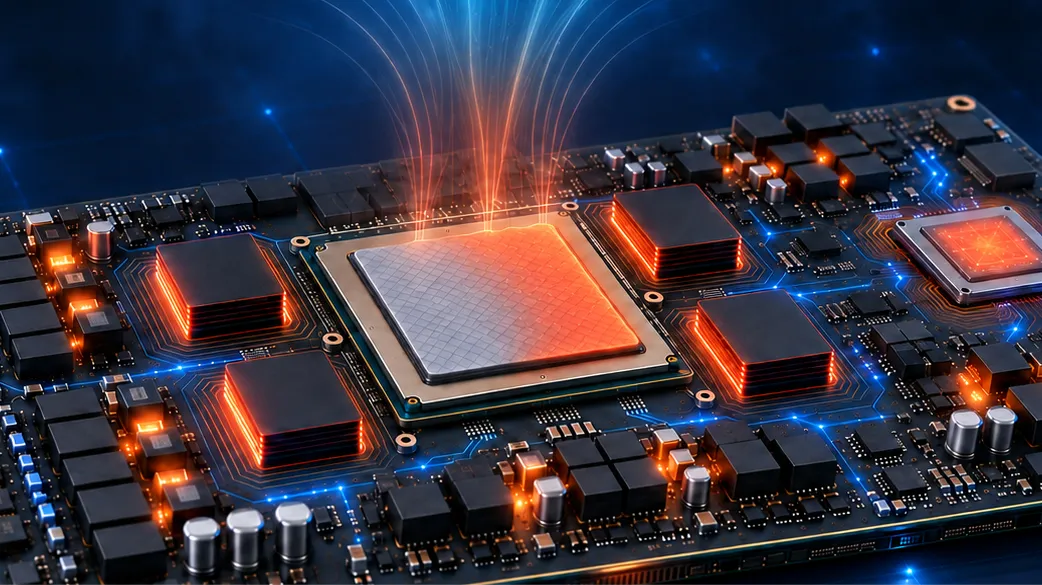
As the demand for AI computing continues to grow, heat dissipation has become a critical aspect of server and data center development[cite: 1]. COMPUTEX Taipei 2026 showcases a variety of advanced thermal management technologies, including liquid cooling, immersion cooling, and high-performance thermal interface materials, reflecting the industry's high regard for energy efficiency and system reliability
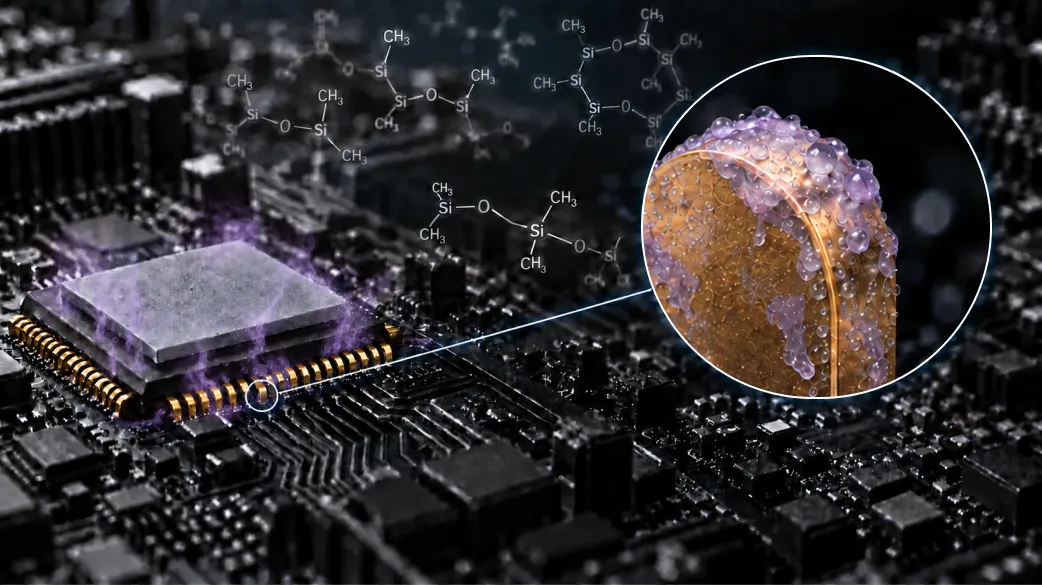
In Low Earth Orbit (LEO) satellite and space equipment applications, the outgassing characteristics of materials directly impact device reliability[cite: 1]. When volatile compounds are released in a vacuum environment, they can contaminate optical lenses, sensors, and precision electronic components[cite: 1]. Adopting low outgassing thermal interface materials (TIMs) not only maintains stable heat dissipation performance but also effectively enhances the long-term operational reliability of satellite systems
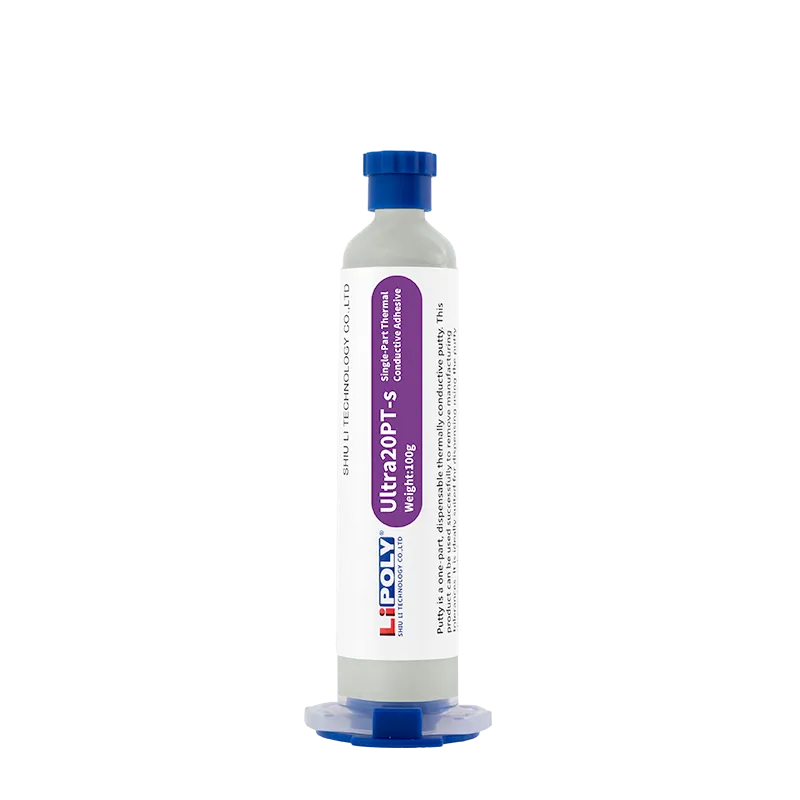
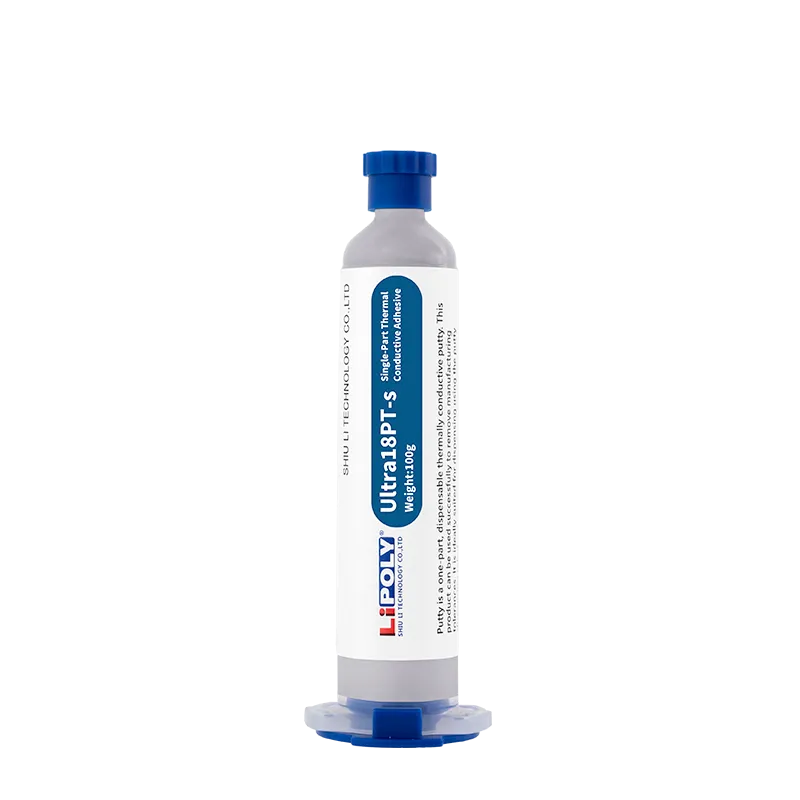
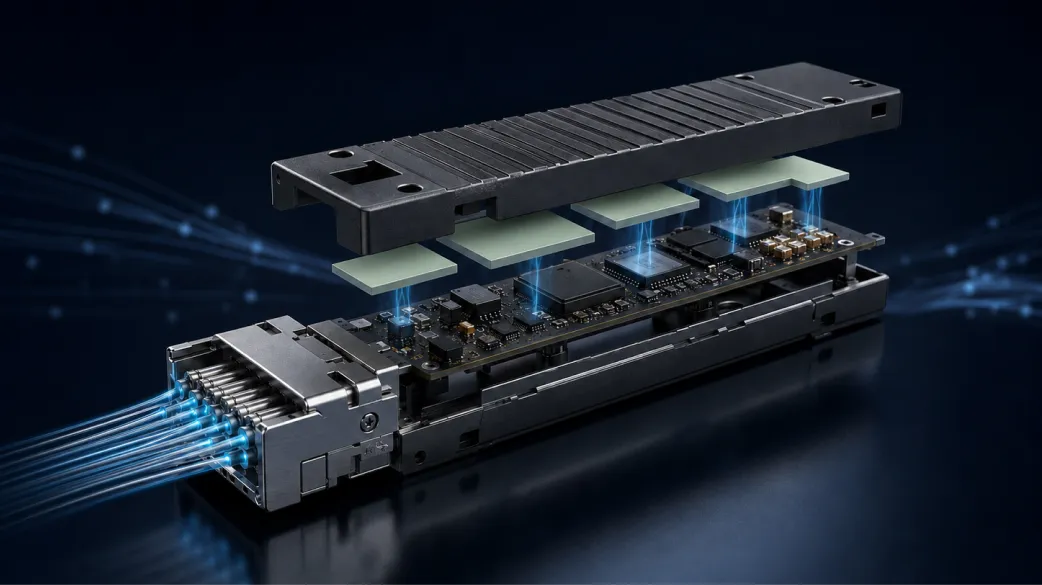
This product is a high thermal conductivity liquid material designed for AI chip cooling, offering excellent gap-filling capability and heat-curable properties to effectively reduce junction temperatures in high-performance computing systems. Its stable material structure makes it an ideal thermal interface material for immersion cooling, maintaining consistent thermal performance under prolonged liquid exposure and thermal cycling conditions.
DTT54-s features a thermal conductivity of 4.0 W/m·K and provides a structurally stable, high-performance thermal interface layer. It is designed for use between chips and cold plates or other heat dissipation structures, forming a low thermal interface resistance and a long-term reliable heat transfer path to effectively reduce junction temperatures.
Even under prolonged immersion in cooling fluids, the material resists loss, displacement, and performance degradation, ensuring stable and reliable thermal performance during long-term operation.
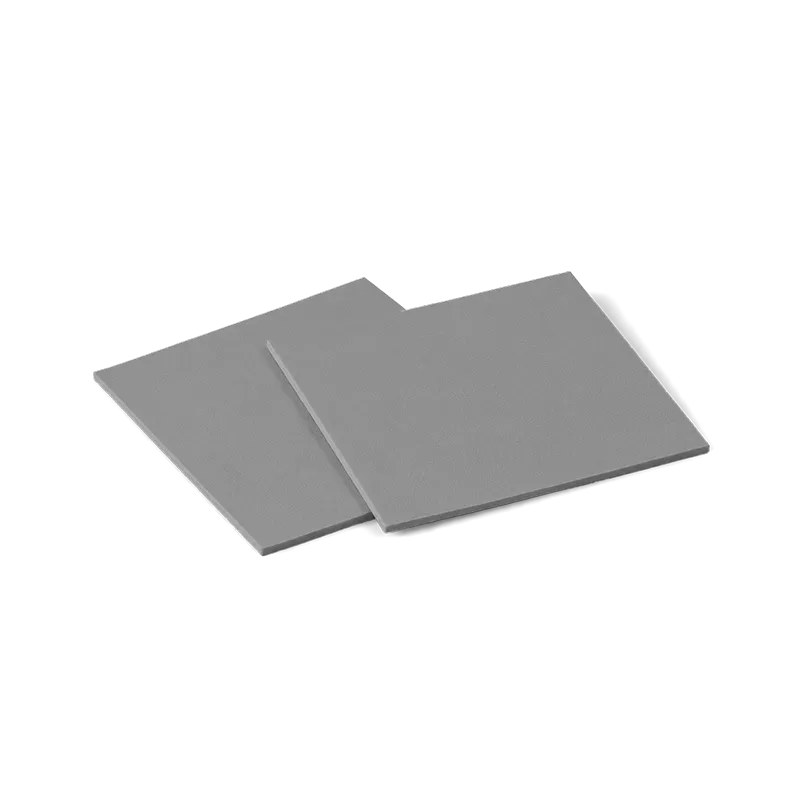
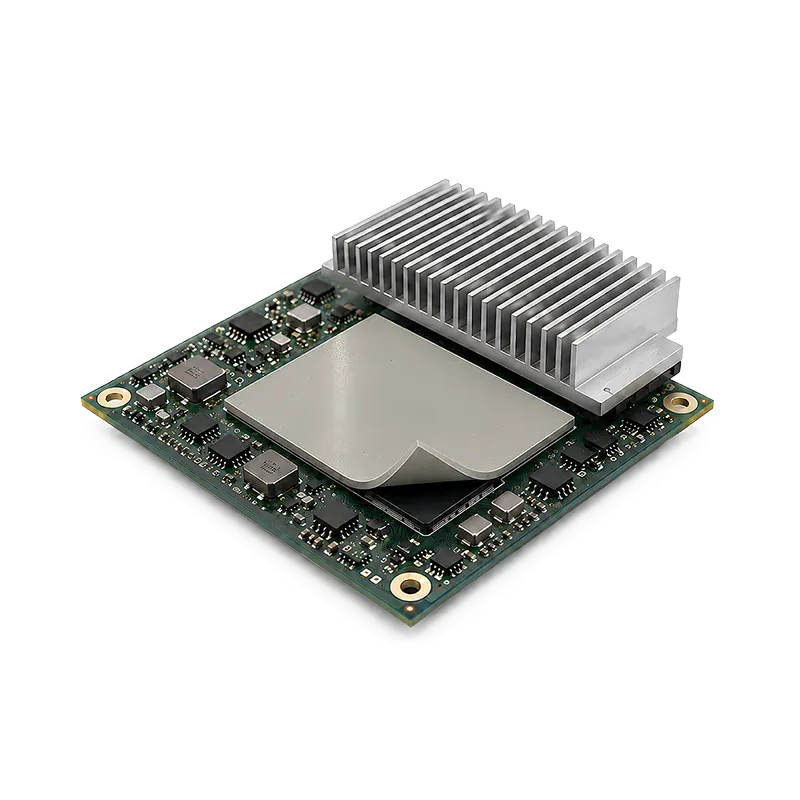
Thermal pads for single-phase immersion cooling feature optimized chemical formulations tested for durability and high-temp operation. Designed for high-power uses like AI servers and data centers, they improve thermal management and system stability.
With the exponential growth of high-performance computing (HPC) and artificial intelligence (AI) chips, conventional air cooling and general liquid cooling systems are rapidly approaching their physical thermal limits. Immersion cooling technology has officially emerged as the leading strategic architecture for next-generation data centers and high-power AI server thermal management.
The fire incident at the California lithium battery energy storage plant has once again highlighted the safety challenges faced by large-scale energy storage systems[cite: 1, 2]. When a battery experiences thermal runaway, it can trigger a chain reaction and release flammable or harmful gases, impacting the surrounding environment and the health of local residents[cite: 1, 2]. Through comprehensive thermal management design and robust safety protection measures, the risk of such accidents occurring can be effectively reduced
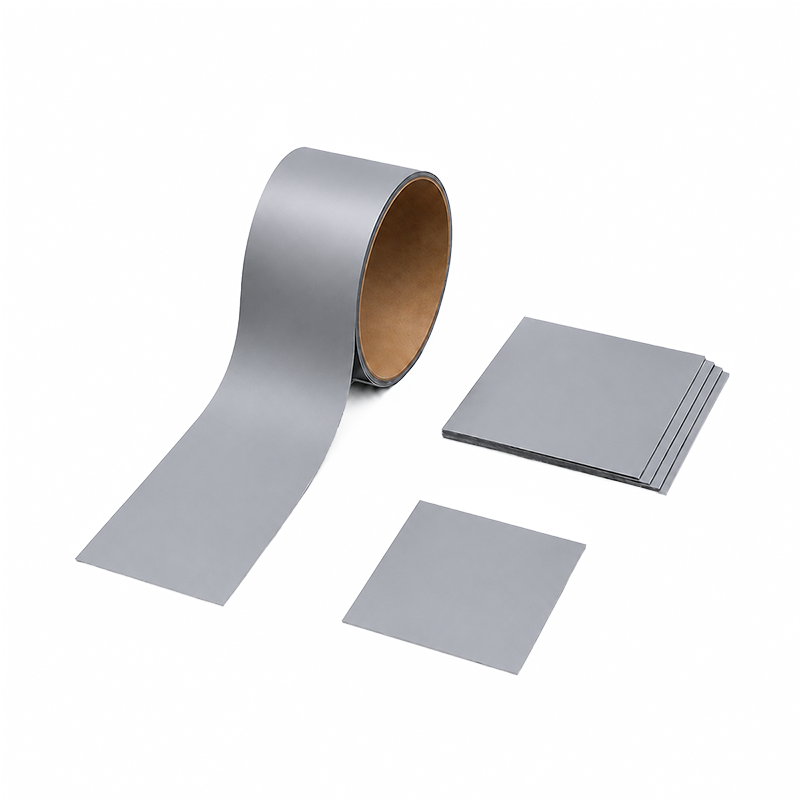
The fiberglass Cloth reinforced Thermal Pads use glass fiber cloth filled with thermally conductive compounds, combining strength and heat conduction for electronics heat transfer and insulation.
Multifunctional Thin Thermal EMI Absorber Film as an innovative functional composite material, offer modern electronic engineering an effective solution to tackle both heat dissipation and EMI challenges simultaneously.
A Thermally Conductive EMI Absorption Pad is a composite material that combines high-efficiency heat dissipation and electromagnetic wave absorption capabilities. It fills thermal interface gaps between electronic components and heat sinks, while its absorber layer reduces reflection and resonance within specific frequency bands to suppress electromagnetic interference (EMI)。
This new glass-fiber thermal pad incorporates glass fibers into a silicone substrate, offering both high thermal conductivity and outstanding mechanical strength, suitable for high-insulation, high-vibration, and harsh environments.
The fire incident at the California lithium battery energy storage plant has once again highlighted the safety challenges faced by large-scale energy storage systems[cite: 1, 2]. When a battery experiences thermal runaway, it can trigger a chain reaction and release flammable or harmful gases, impacting the surrounding environment and the health of local residents[cite: 1, 2]. Through comprehensive thermal management design and robust safety protection measures, the risk of such accidents occurring can be effectively reduced