News
A total of 25 articles
Lithium battery thermal runaway refers to a sharp increase in battery temperature under physical damage or short-circuit conditions, leading to the decomposition of the electrolyte and the generation of flammable gases[cite: 1, 2]. If this affects adjacent battery modules, it can trigger a chain reaction, ultimately resulting in fire or explosion
Thermal runaway is one of the most critical safety issues in lithium battery systems[cite: 1, 2]. As energy storage systems continue to expand in scale, California has introduced relevant fire safety regulations, requiring operators to mitigate the risks of fire and thermal runaway propagation through testing verification, thermal management design, and risk control mechanisms
Lightweight drones must integrate high-performance electronic equipment within limited space and weight constraints, making thermal management a critical aspect of design[cite: 1]. By selecting appropriate thermal interface materials (TIMs) and thermal management solutions, it not only improves system stability but also helps extend the lifespan of electronic components and enhance flight reliability
Thermal Insulation Material AS17-s is an insulation blanket that slows heat transfer in EV battery systems, reducing thermal runaway risk. It forms a stable thermal barrier within the battery pack to isolate high-temperature modules and prevent heat from spreading.
Thermal Insulation Pad AS27-s has an ultra-low thermal conductivity of 0.009 W/m·K. Made from materials like polymer foam and glass fiber, it is asbestos-free and offers excellent thermal insulation, along with fire and sound resistance.
T-top99-s is an ultra-high thermal conductivity gap pad with a thermal conductivity of 24.0 W/m·K. It offers excellent insulation, compressibility, and softness, designed for uneven surfaces to fill small gaps, ensuring consistent heat transfer with extremely low thermal resistance.
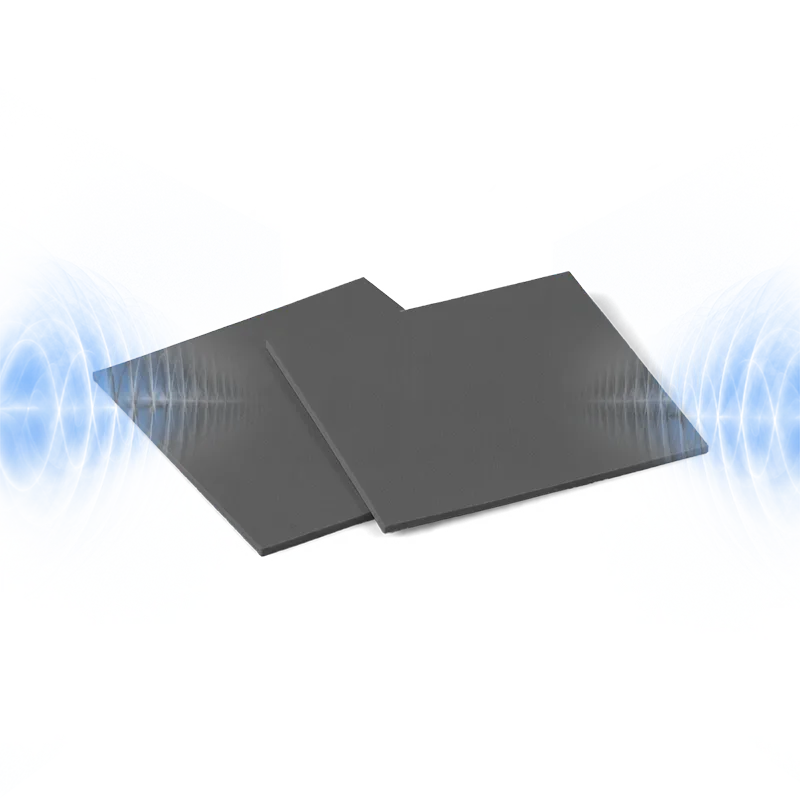
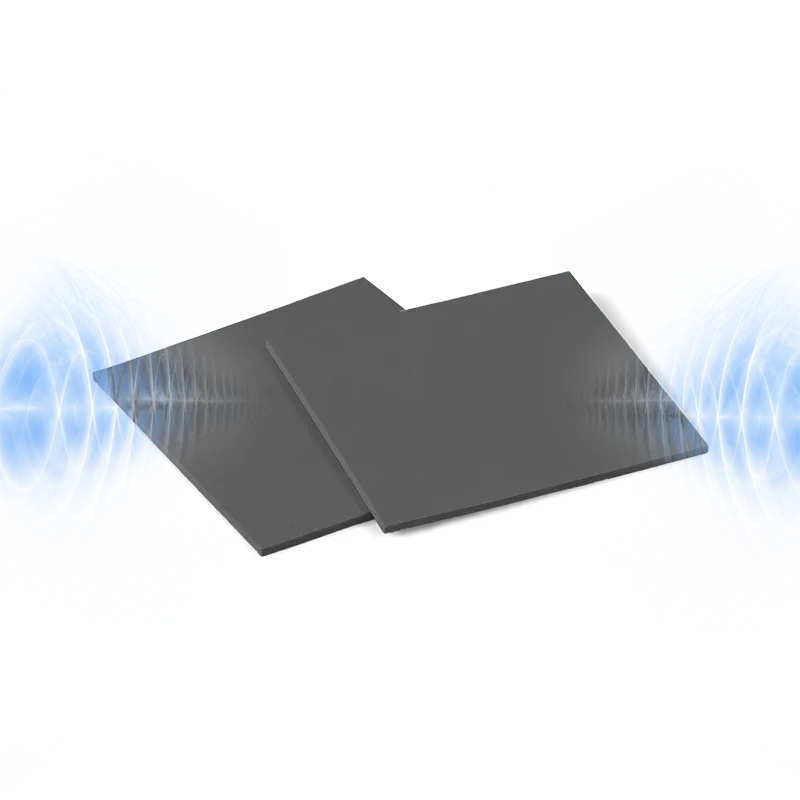
TEM96D is a composite pad that features both thermal conductivity and electromagnetic wave absorption capabilities. As a gap-filling material with a thermal conductivity of 5.0 W/m·K, it can absorb electromagnetic radiation to mitigate EMI issues.
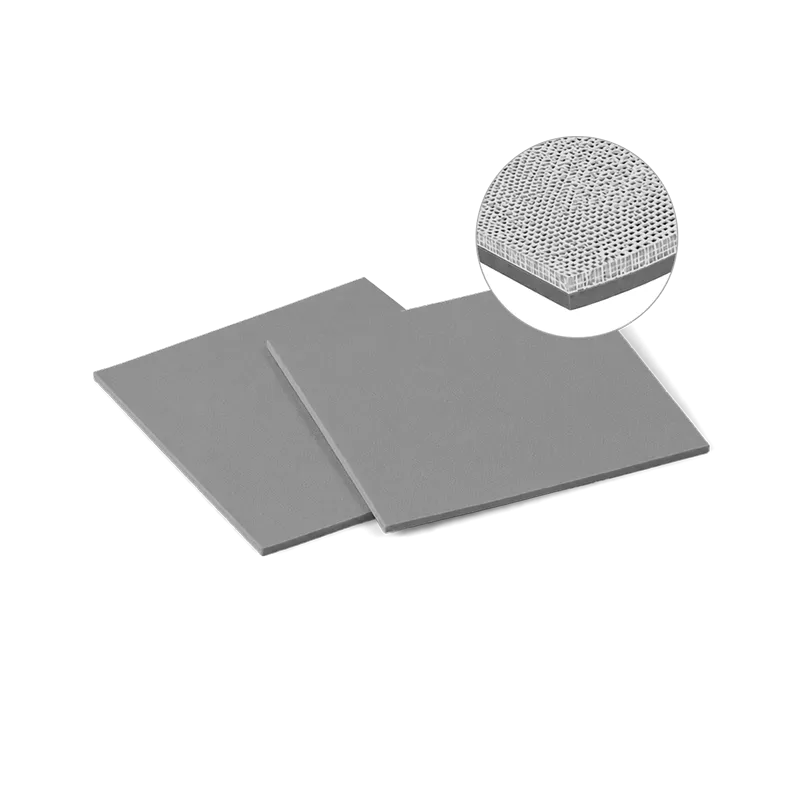
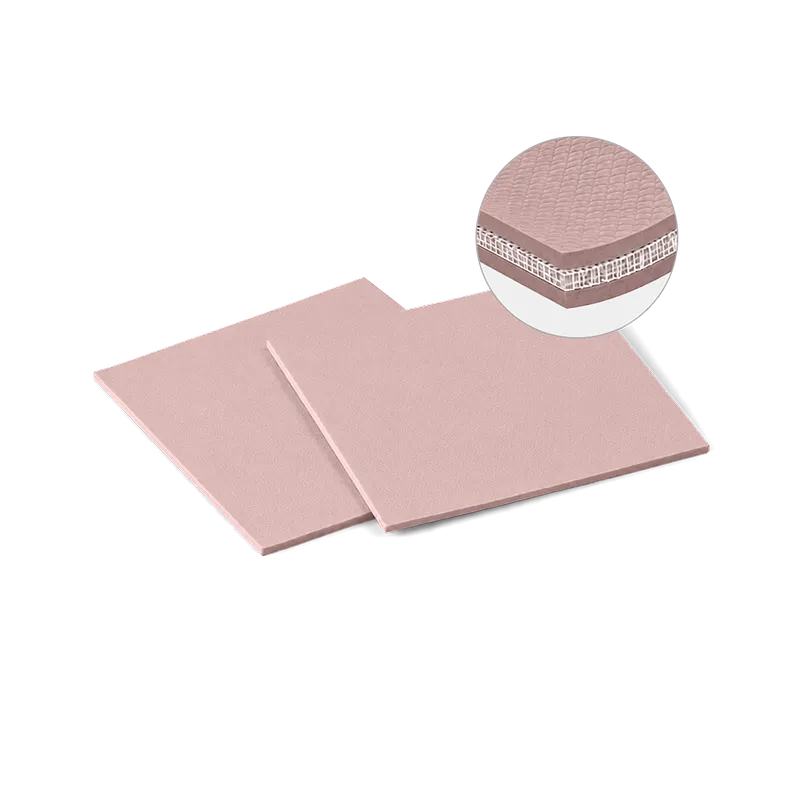
DCTP140-s uses fiberglass cloth for reinforcement, offering high thermal conductivity, excellent insulation, and superior compressive strength. This structure enhances its strength and cut resistance, making it the best choice for high-torque screw applications.
PK700 is a thermal gel pad for gap filling with 7.0 W/m·K thermal conductivity and Shore OO/55 hardness. It's highly flexible, compressible, and self-adhesive, covering design tolerances for stable performance. Custom shape molding is also available.
S282-s is a thermal gap pad with 2.5 W/m·K conductivity. Featuring a fiberglass-reinforced layer and excellent self-adhesion, it conforms to uneven heatsink surfaces to increase contact. It is also an excellent insulator with low-stress and shock-absorbing properties.
N800C-s is a non-silicone thermal compound with low volatiles, preventing electrical contamination. It combines flexibility with high thermal conductivity and compressibility, reducing component stress while ensuring low thermal resistance.
DTT65-s is a soft thermal gel pad for network communication, designed to minimize RF module interference by focusing on low dielectric constant (Dk) and loss (Df). It has a 5.0 W/m·K thermal conductivity and is available in custom sheets, die-cuts, or molded parts.