

electronica 2026 Munich: Explore Thermal Conductive and RF Absorber Material Selection
Addressing Material Evaluation Needs in Electronic Systems, from Thermal Interfaces to EMI
In electronic component and system design, material selection must account for heat-generating components, cooling structures, and assembly conditions. Beyond thermal conductivity, interface gaps, contact pressure, operating temperature, and manufacturing processes are also relevant evaluation factors. If a product also faces material contamination constraints or EMI issues, these conditions need to be included in material selection planning.
electronica spans electronic components, systems, and applications, offering opportunities for technical exchange across disciplines. Our exhibition focuses on non-silicone thermal pads, phase change materials, and dispensable materials that combine thermal conduction with RF absorption, helping visitors identify directions for further evaluation.
Three Featured Products for Material Selection Across Different Interfaces
The selected products address non-silicone material requirements, thermal interface contact, and the combined evaluation of thermal conduction and electromagnetic wave absorption. Bring information on your current materials, interface dimensions, or design constraints to discuss the conditions under which each material may be suitable.
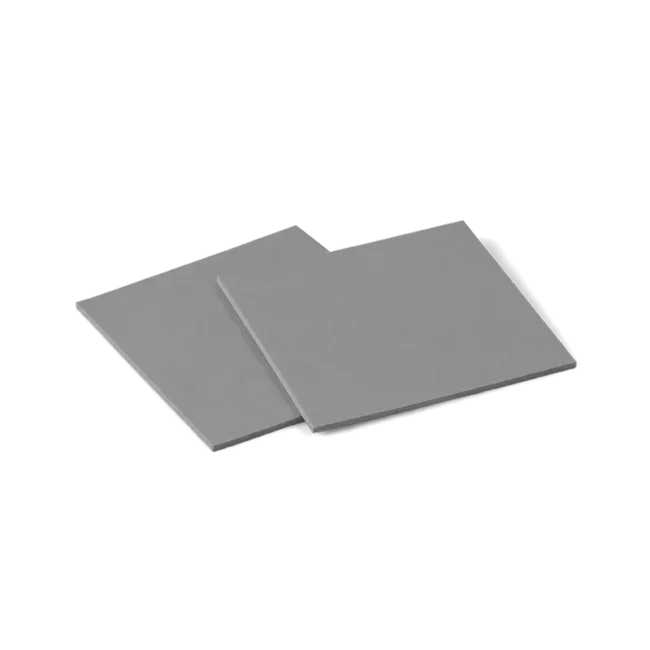
N800D Non-Silicone High-Conductivity Thermal Pad
- Technical Features:N800D uses a non-silicone resin system that can reduce contamination risks caused by the migration and volatilization of low-molecular-weight siloxanes. Combining high thermal conductivity, electrical insulation, flexibility, and compressibility, it can be evaluated as a thermal interface material between heat-generating components and cooling structures in designs with cleanliness and contamination control requirements. On-site discussions can address the material’s contact environment, gap dimensions, and assembly conditions to define subsequent sample validation requirements.
- Performance Data:N800D has a thermal conductivity of 23.0 W/m·K, tested in accordance with ASTM D5470. Material selection can be further evaluated in conjunction with pad thickness, compression conditions, and actual interface performance.
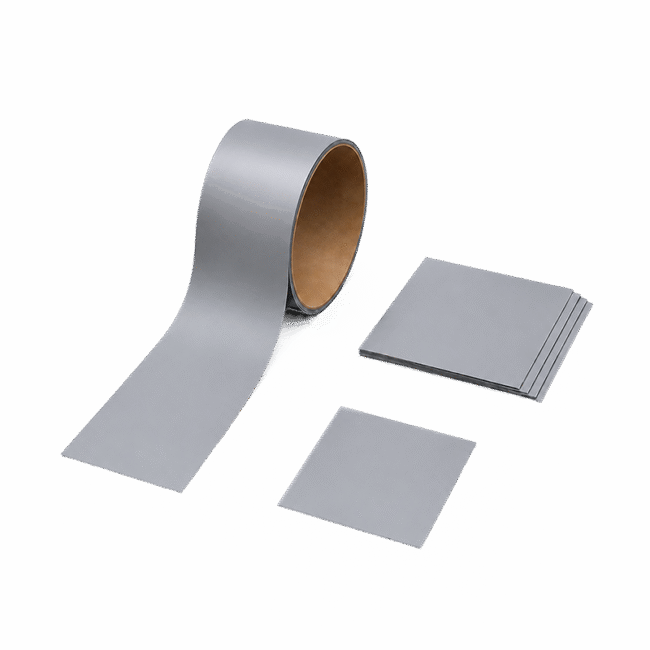
PCM900 Phase Change Material
- Technical Features:PCM900 offers an option for phase change thermal interface material selection. The material remains solid at room temperature and softens at approximately 45°C. Evaluation can consider component operating temperatures, interface contact conditions, and assembly processes when discussing material formats and validation methods.
- Performance Data:PCM900 has a thermal conductivity of 9.0 W/m·K. For engineering teams evaluating phase change materials, on-site discussions can focus on whether the operating temperature range includes the conditions required for phase change, as well as how the material fits with existing cooling structures.
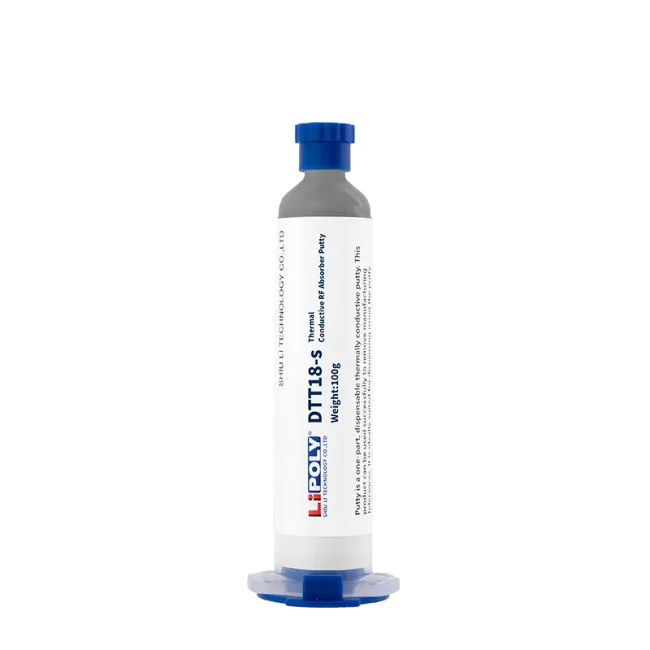
DTT18 Thermal Conductive RF Absorber Putty
- Technical Features:DTT18 is a single-component, dispensable thermal conductive RF absorber material. Soft magnetic fillers dispersed in a polymer resin combine thermal conduction with electromagnetic wave absorption. For designs requiring evaluation of both thermal management and EMI, discussions can address interface geometry, gap-filling requirements, dispensing conditions, and target frequencies to establish a direction for material validation.
- Performance Data:DTT18 has a thermal conductivity of 5.0 W/m·K, tested in accordance with ASTM D5470. RF absorption performance must be evaluated with reference to frequency, material thickness, and test configuration. Actual requirements and the necessary test data can be discussed on-site.
Turning Material Information into Actionable Validation Plans
For R&D teams, discussions during the exhibition can help organize candidate materials and validation conditions. For procurement professionals and project managers, they also provide an opportunity to discuss samples, material formats, and the information needed for supply evaluation.
Please share information on heat-generating components, operating temperatures, interface gaps, assembly pressure, and process constraints. If your requirements involve non-silicone materials or EMI, also provide the contact environment, target frequencies, and current test conditions so the discussion can be tailored to your actual project.
Exhibition Information for electronica 2026 Munich
Exhibition Information

- Exhibition: electronica 2026, Munich, Germany
- Dates: Tuesday, November 10–Friday, November 13, 2026
- Opening Hours: November 10–12: 09:00–18:00; November 13: 09:00–15:00. All times are local time in Germany.
- Venue: Trade Fair Center Messe München, Munich, Germany
- Booth: Hall A2 / Booth No. 429/3
- Event Details:electronica 2026
Exhibition dates, opening hours, and venue information follow the organizer’s announcement.
Related Products