

Introduction to Single-Phase vs. Two-Phase Immersion Cooling
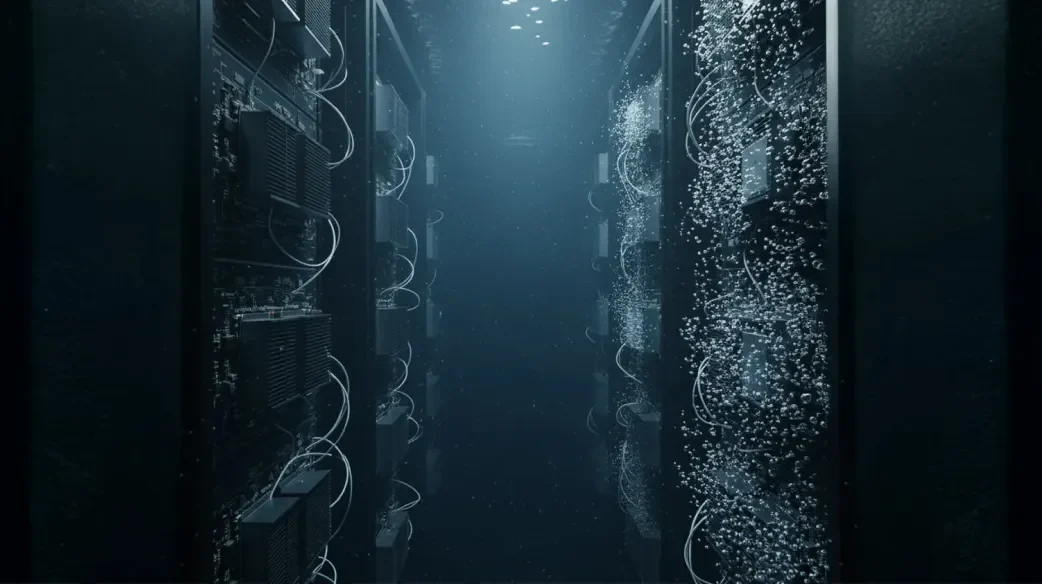
Immersion cooling technology involves submerging servers in a dielectric fluid, leveraging the liquid’s high thermal conductivity to surpass the heat dissipation limits of traditional air cooling. To keep pace with the future trend of high-density and high-power AI servers, developments have moved beyond just single-phase immersion cooling systems.
Single-Phase - Immersion Cooling System
Utilizing only the single-phase liquid state, similar to large-scale closed-loop liquid cooling, heat is dissipated via forced convection. Fins serve as the key design feature to maximize heat dissipation area and optimize flow channels. Thermal interface materials compatible with both the heat sink and chip are recommended to ensure reliable thermal conductivity.
Thermal interface materials compatible with both the heat sink and chip are recommended to ensure reliable thermal conduction.
Two-Phase - Immersion Cooling System
Here is the translation: Two-phase systems primarily utilize the principle of nucleate boiling to dissipate heat, achieving exceptionally high thermal transfer efficiency. Research indicates that in this context, an excessive number of fins may actually impede bubble nucleation and departure, reducing overall efficiency.
Therefore, many two-phase designs employ bare or micro-structured surfaces to optimize boiling performance and bubble departure.
Single-Phase & Two-Phase Liquid Cooling Systems
Single-Phase
- High Boiling Point Dielectric Fluid
- Pump-Driven Circulation
- Forced Convection Heat Transfer
- System is Simple and Easy to Maintain
Two-Phase
- Low Boiling Point Dielectric Fluid
- Natural Circulation
- Nucleate Boiling Phase Change
- Extremely High Heat Flux
Cooling Principle
Drive Method
Cooling Efficiency
Setup Cost
A Comparison of Two-Phase and Single-Phase Liquid Cooling Systems
Two-Phase
Single-Phase
Thermal Pads for Single-Phase Immersion Cooling
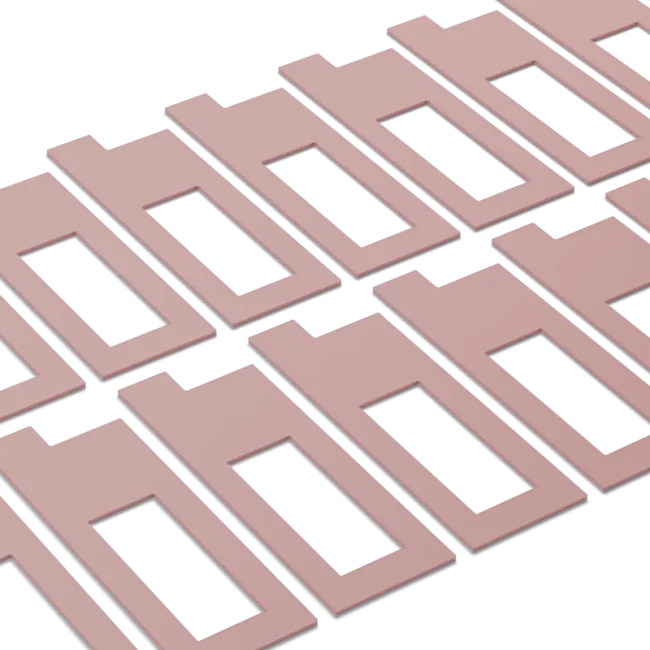
iPOLY has developed dedicated thermal pads specifically engineered for the long-term immersion environment of immersion liquid cooling. These pads not only prevent contamination and maintain the purity of dielectric coolants, but also deliver stable thermal conductivity and component protection — significantly enhancing the reliability and long-term performance of single-phase immersion liquid cooling systems.
DTT61-shas been certified by Engineered Fluids for long-term immersion compatibility, and also provides localized isolation to offer additional protection for specific electronic components.
LiPOLY's in-house factory offers customized cutting and die-cutting services, with shipment completed within 2–4 weeks. For liquid cooling infrastructure requirements, please contact LiPOLY's thermal management specialists.
Related Products