


Although immersion cooling systems fully submerge components in coolant, coolant alone is insufficient for effective heat dissipation.
Low Thermal Conductivity of Coolant
The thermal conductivity of coolant is far lower than that of metals or high-thermal-conductivity solid materials. Therefore, to enable effective heat conduction to large-area heat dissipation structures, high-thermal-conductivity materials are still needed between components and heat dissipation structures to fill gaps and increase contact area, ensuring rapid heat conduction.
Protection of Sensitive Components
Some components may not be suitable for long-term direct contact with coolant. Thermal pads can not only improve thermal conduction but also serve as isolation layers, providing additional protection for sensitive components and enhancing system safety.
Boundary Layer and Convection Limitations
In single-phase immersion systems, heat transfer mainly relies on forced convection. However, coolant flow velocity on component surfaces may be limited due to shielding, forming boundary layers that affect heat dissipation efficiency. By directing heat through thermal pads to heat sink surfaces with better flow, hotspot temperatures can be effectively reduced.
Replacement of Traditional Thermal Paste
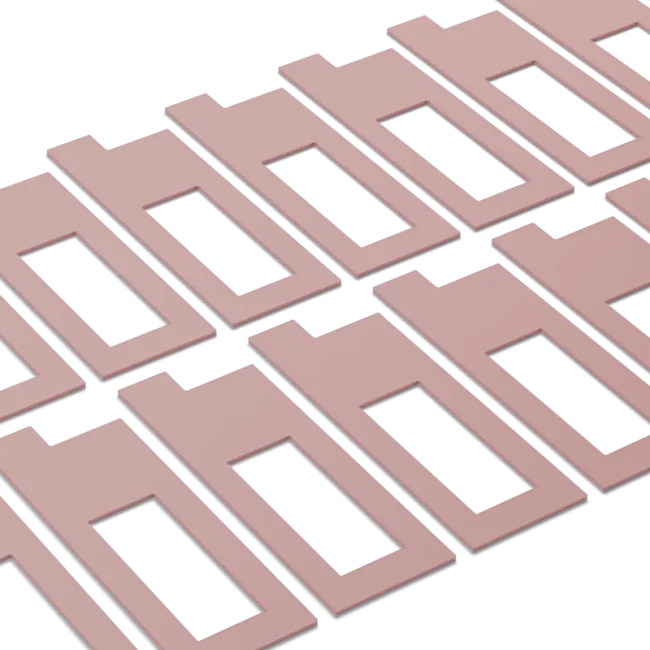
Traditional thermal paste easily dissolves or is lost in immersion environments, while Engineered Fluids certified DTT61-s thermal pads can withstand coolant for long periods without contaminating the liquid, maintaining stable high thermal conductivity.
Conclusion
In conclusion, even in immersion cooling solutions where servers are fully submerged in liquid, thermal pads are not a redundant component. They play an indispensable role in optimizing thermal conduction paths, addressing thermal dead spots in complex structures, and providing electrical insulation and mechanical protection, ensuring that the entire system can operate stably and efficiently even under high power density.
Related Products