



Lithium battery fires pose the following health risks:
- Toxic Gas Release::During thermal runaway, lithium batteries can release a range of toxic gases, including hydrogen fluoride (HF). According to occupational safety authorities, lithium ion battery fire toxic gases such as hydrogen fluoride are highly corrosive—inhalation can cause severe tissue damage, hypocalcemia, and hypomagnesemia, leading to cardiac arrhythmia and, in serious cases, death.
- Fire and Explosion Risk::Fires triggered by thermal runaway in lithium battery storage facilities can reach temperatures exceeding 1,000°C, potentially causing batteries to ignite or explode and affecting surrounding structures. In the California storage facility fire, Monterey County authorities proactively evacuated approximately 1,200 to 1,500 residents as a precaution.
- Chain Thermal Runaway::In large-scale energy storage facilities or electric vehicle battery packs, thermal runaway of one battery may trigger a chain reaction in adjacent batteries, causing more extensive disasters.
- Environmental Contamination and Long-Term Effects::Toxic smoke from fires may have long-term impacts on the surrounding environment.
Lithium battery fires release multiple toxic gases upon combustion.
Gases
Health Hazards
The Primary Cause of Lithium Battery Fires: Understanding the Thermal Runaway Mechanism
The safe operating temperature range for lithium batteries is 0°C to 60°C. When the battery temperature rises to between 150°C and 180°C, the internal electrolyte and electrode materials trigger an exothermic reaction, generating additional heat and forming a self-accelerating positive feedback loop — the higher the temperature, the more intense the reaction, ultimately pushing temperatures beyond 1,000°C. This phenomenon is known as thermal runaway.
Common Causes of Thermal Runaway
- mechanical impact or puncture damage
- manufacturing defects (e.g. internal short circuits)
- overcharging or over-discharging
- prolonged exposure to high ambient temperatures.
Due to the extreme temperatures reached during thermal runaway, the flames can directly combust the battery's internal metal components without relying on external oxygen, rendering traditional firefighting methods largely ineffective. The California storage facility fire was ultimately managed by removing surrounding flammable materials and waiting for the batteries to burn out completely.
How to Prevent Lithium Battery Fires? Start with Thermal Management
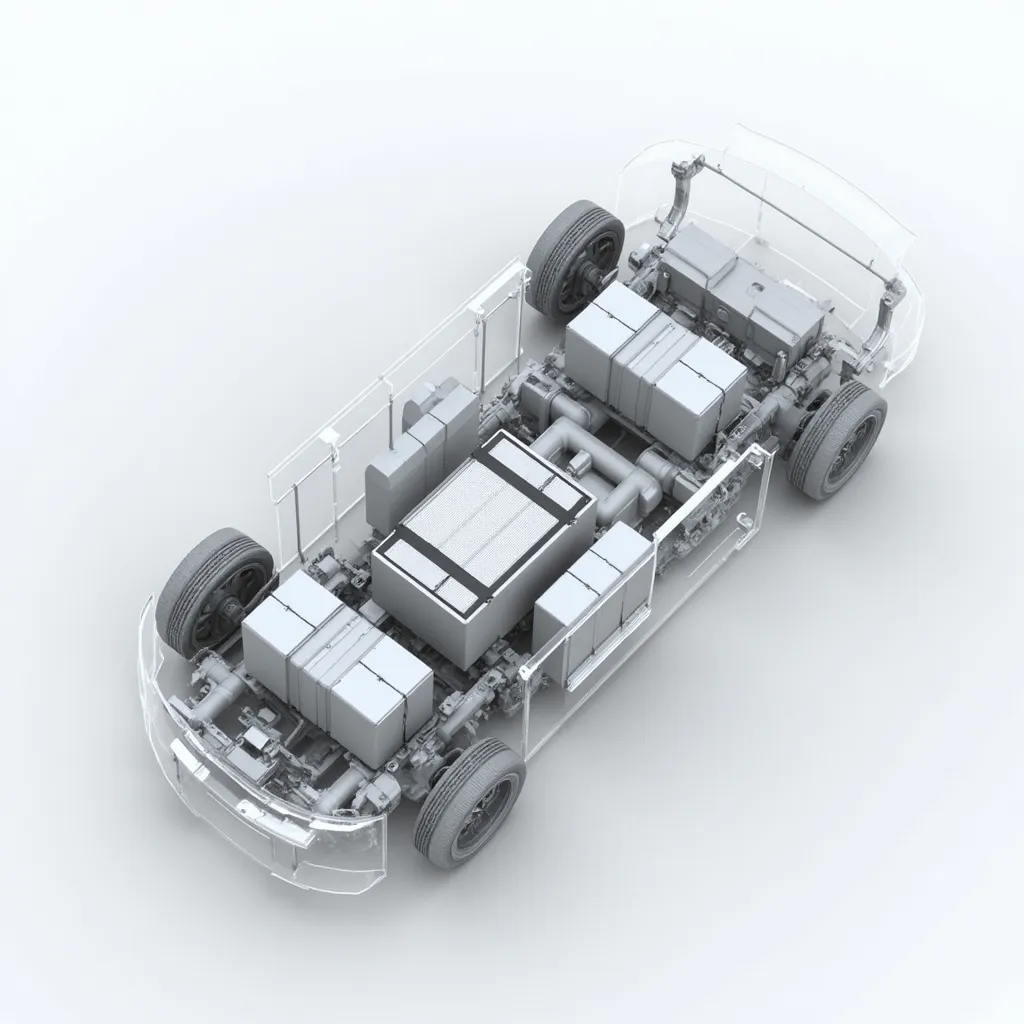
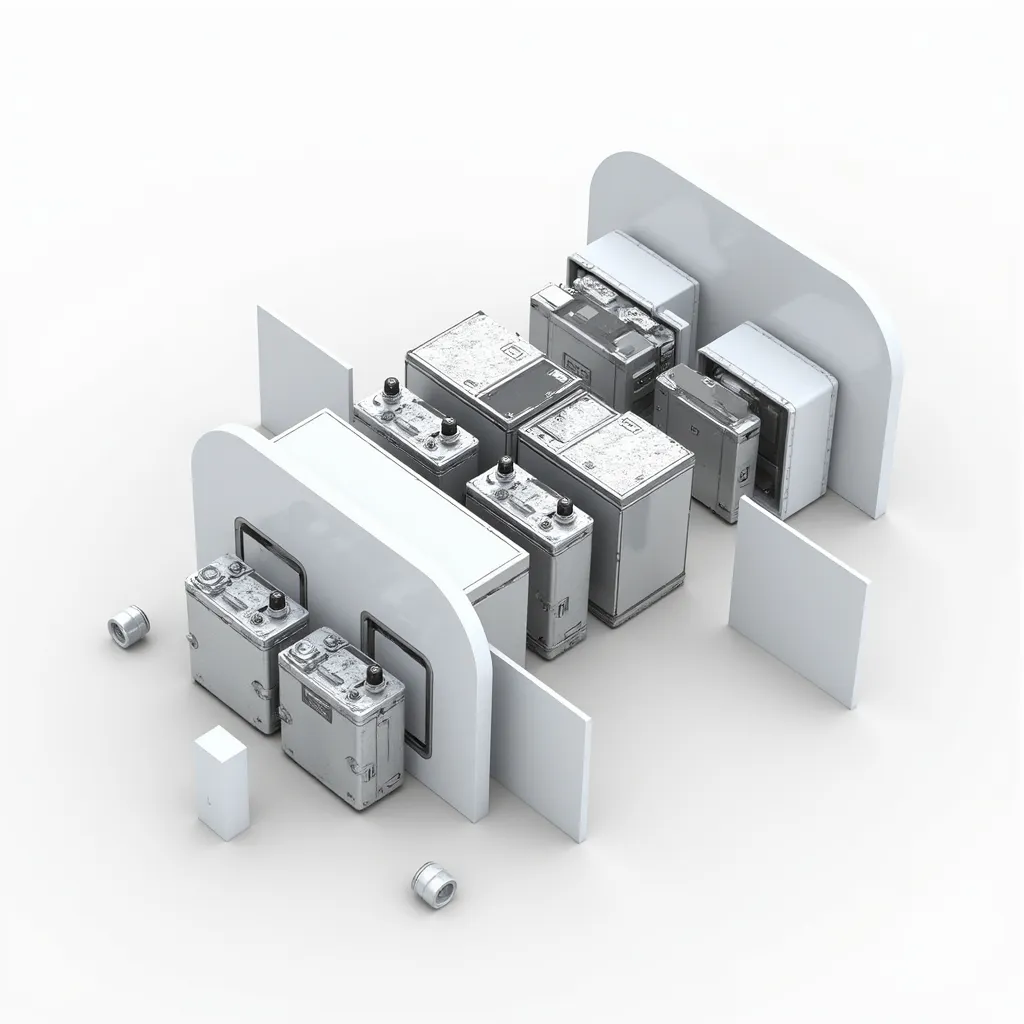
Modern large-scale energy storage systems widely adopt lithium battery modules. Beyond the basics of temperature monitoring systems, regular component inspections, and impact-resistant design, a comprehensive thermal management strategy is the critical core of thermal runaway prevention.
Large battery modules can adopt immersion liquid cooling systems, submerging the entire module in a highly thermally conductive electrolyte solution. Compared to traditional air-cooling methods, this approach offers significantly superior heat dissipation efficiency. Learn more in this article.
Passive Thermal Protection Solution: AS17-s Thermal Insulation Sheet
In addition to active thermal management, passive thermal insulation protection is equally indispensable. With 30 years of experience in thermal material research and development, Asuli Technology has developed the high-performance AS17-s Thermal Insulation Sheet specifically to address the issue of lithium battery thermal runaway.
AS17-s Technical Specifications
Properties
Specifications
AS17-s Protection Mechanism
By placing the AS17-s thermal break felt between battery modules, even if a single cell undergoes thermal runaway, the felt effectively blocks heat transfer to adjacent batteries, preventing the spread of chain reactions and significantly reducing overall fire risk and potential losses.
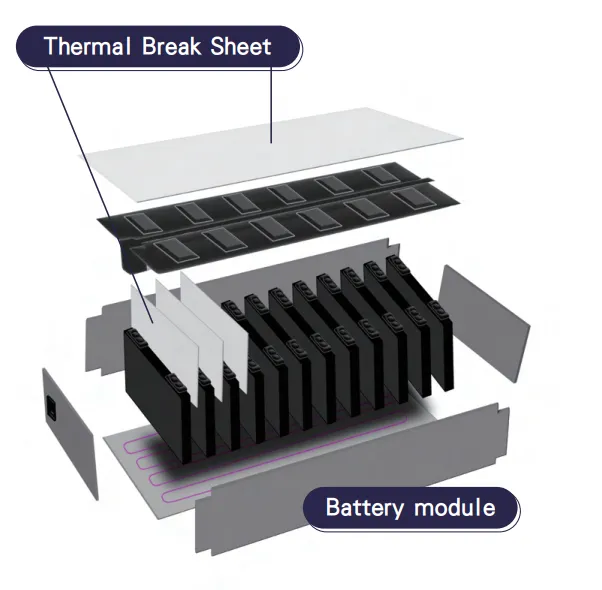
Facing these potential risks, implementing effective preventive measures is crucial. The AS27-s thermal insulation sheet launched by Sunrise Technology is specifically designed to address this issue.
The AS27-s thermal insulation sheet offers the following advantages:
- High-efficiency heat insulation:High-Efficiency Thermal Insulation: Effectively blocks heat transfer, reducing the risk of temperature rise within battery packs.
- Flame retardant properties:Flame Retardant Performance: Possesses excellent flame retardant characteristics that effectively suppress fire spread.
- High temperature resistance:High-Temperature Resistance: Maintains stable performance even under extreme temperatures, providing continuous protection for batteries.
- Slim and lightweight design:Lightweight Design: Does not significantly increase battery pack weight and volume, suitable for various application scenarios.
- Customized solutions:Customized Solutions: Can be customized according to different battery system requirements to ensure optimal protection.
By using AS27-s thermal insulation sheets in battery packs, the probability of thermal runaway can be significantly reduced. Even under extreme conditions, fire spread can be effectively controlled, substantially reducing potential losses.
Conclusion
The California lithium battery storage facility fire clearly demonstrates that the promotion of clean energy and the safety of energy storage systems must go hand in hand. As electric vehicles and large-scale energy storage facilities continue to proliferate, establishing a comprehensive thermal management framework — combining active cooling technologies with passive protection solutions such as the AS17-s Thermal Insulation Sheet — will be the key strategy for ensuring battery system safety and driving the sustainable development of green energy.