RBA
ROHS
REACH
UL
IATF 16949
ISO 14001
ISO 9001
ISO 45001
IECQ 080000

Thermal Management Materials for Lightweight Drones

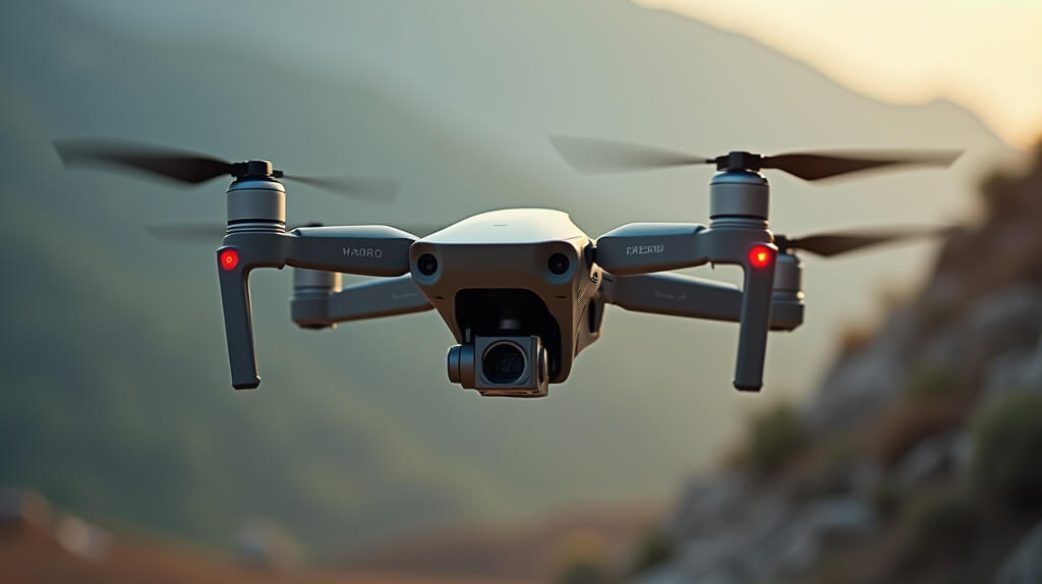
Lightweight drones must integrate high-performance electronic equipment within limited space and weight constraints, making thermal management a critical aspect of design[cite: 1]. By selecting appropriate thermal interface materials (TIMs) and thermal management solutions, it not only improves system stability but also helps extend the lifespan of electronic components and enhance flight reliability

Thermal management materials used in lightweight UAV and drone electronics to improve heat dissipation and system reliability
輕型無人機的散熱材料

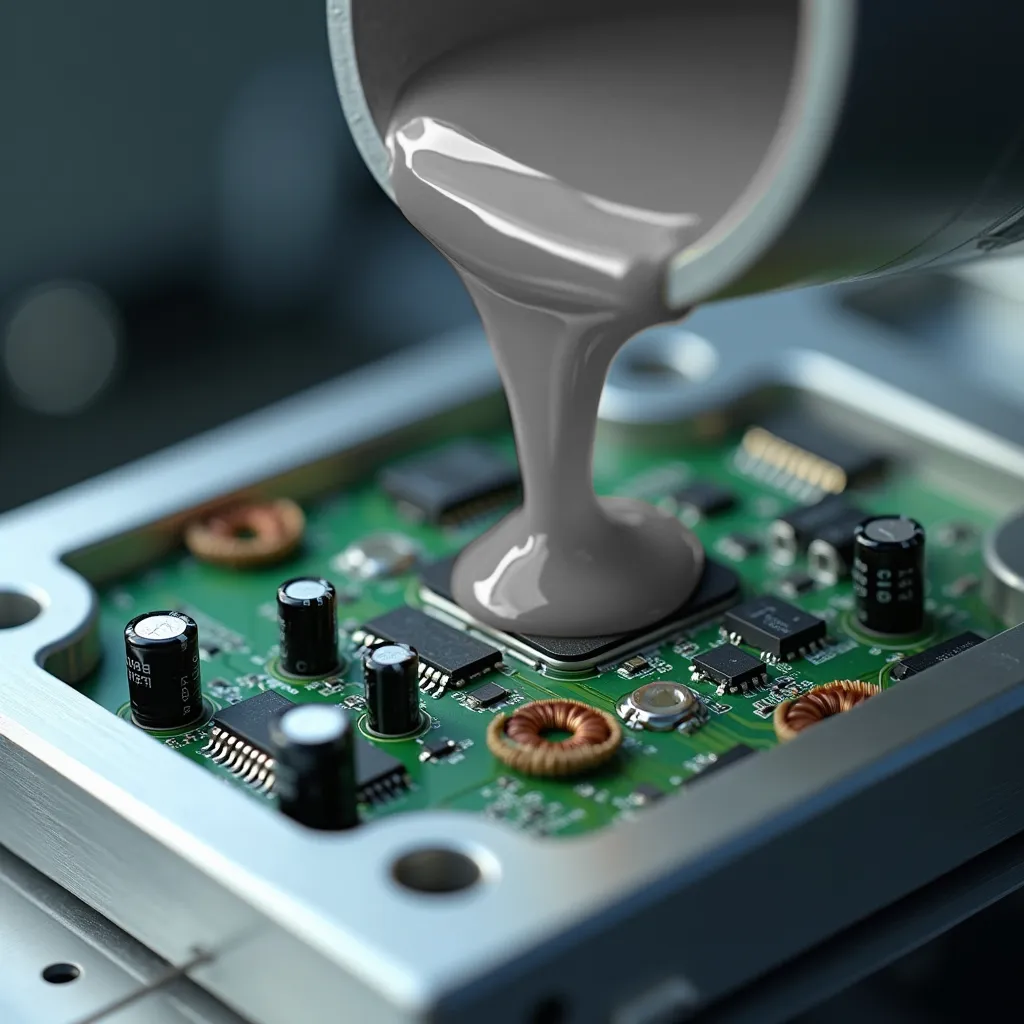
Potting Compound

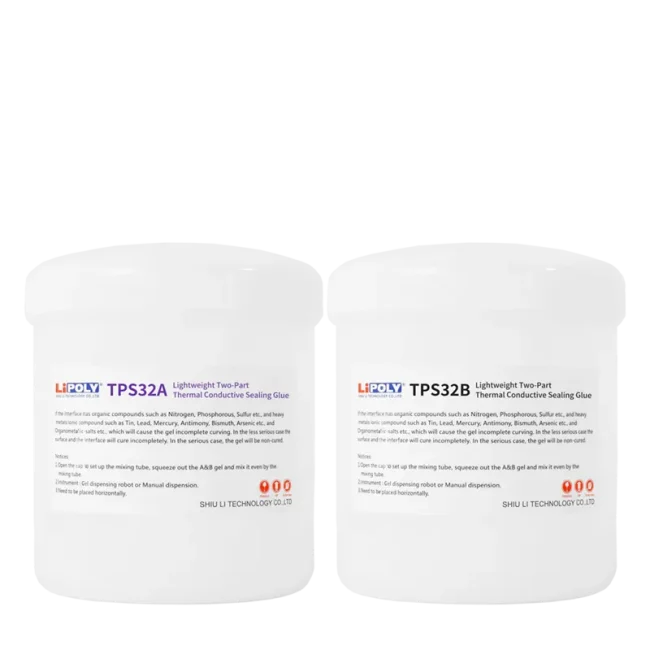
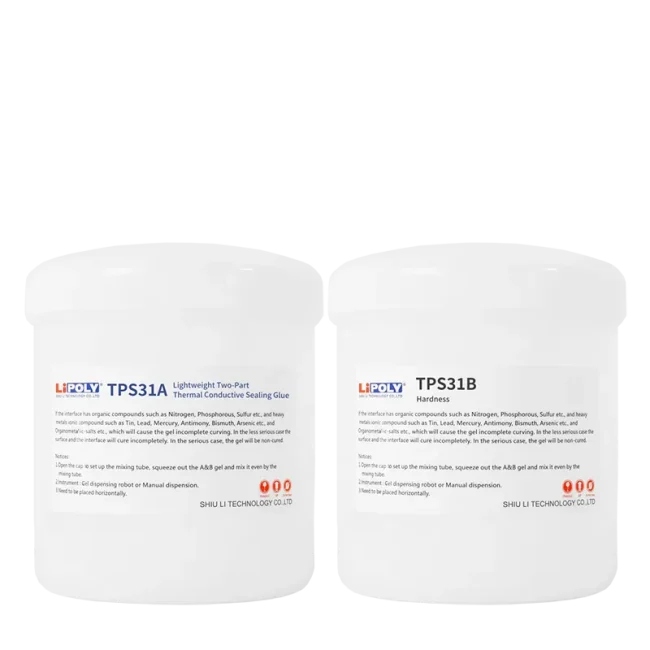
Low-Density Thermal Putty : TPS32 Potting Compound: TPS32 features excellent thermal conductivity with ultra-low density of 1.72 g/cm³.Potting compoundmaterial reduces damage risks from external environment factors. It is suitable for drone power module encapsulation and enables thin-profile designs.

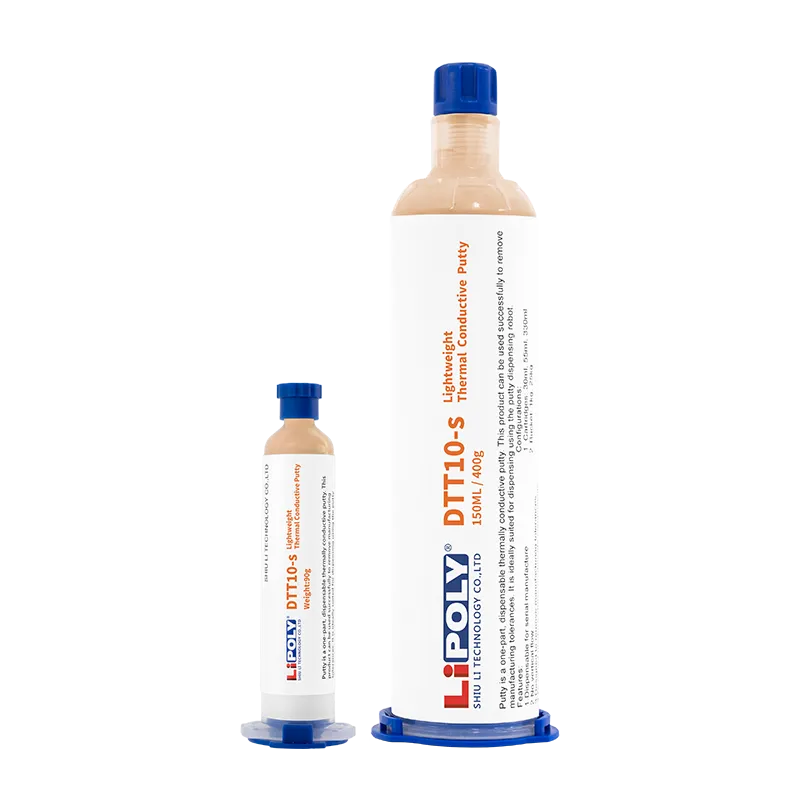
DTT10-s系列是一種低密度的凝膠填縫材料。低密度、輕量化特性,可為產品提高其性能、降低生產成本及減少材料的使用和能源消耗等,常被應用在電子產品及汽車電子設備上。產品導熱係數 10.0 W/m*K,具有高變形量,可靈活性的適配間隙,兼具公差補償特性.可克服溢流乾凅問題, 提高熱傳導,適合自動化點膠生產。

Thermal Putty

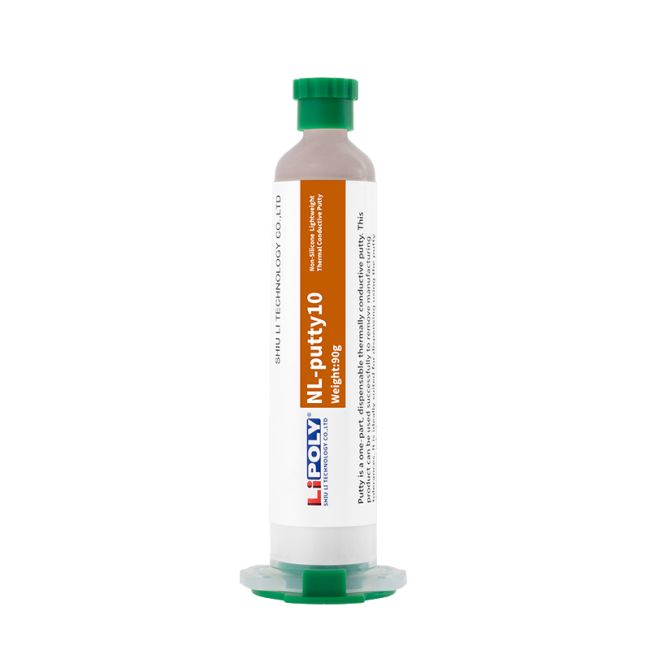
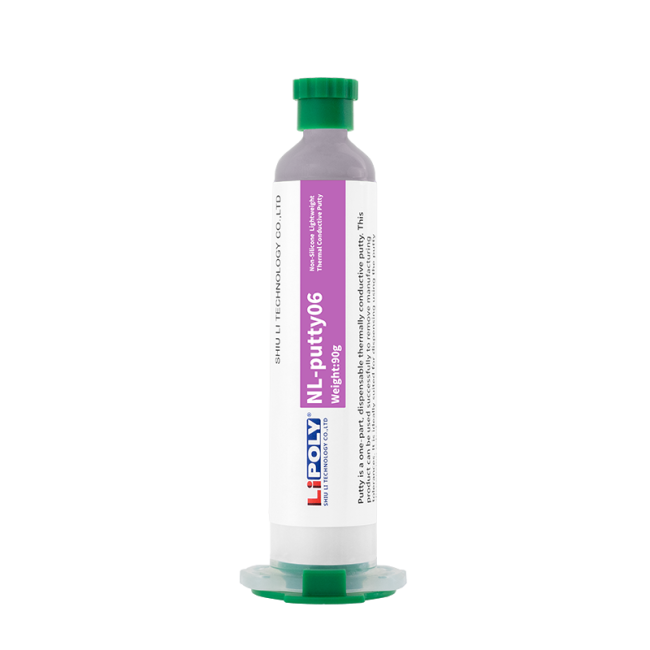
Low-Density Thermal Putty : DTT10-s provides 10.0 W/m·K thermal conductivity with a density of only 2.6 g/cm³.
It can be applied directly to electronic components, reducing stress on components while suitable for automated production.

Heat Dissipation Fins and Natural Convection Design

Aluminum heat dissipation fins combined with vapor chamber design can effectively distribute heat generated by batteries and electronic components evenly and dissipate through natural convection. This design requires no additional power for fan operation, making it ideal for lightweight requirements.

Technological Innovation Applications

  • Aerodynamic Heat Dissipation: Some drones utilize airflow generated by propeller movement for passive cooling. DJI Mavic Mini adopts a fanless design, improving heat dissipation efficiency through redesigned airflow channels.
  • Artificial Intelligence Optimization:: Using Physics-Informed Machine Learning (PIML) for fin design optimization can rapidly find optimal parameter configurations, improving heat dissipation efficiency and reducing development costs.

Future Development Directions

As drone applications diversify, lightweight thermal materials will continue developing in these directions:

  • Higher thermal conductivity and high-temperature resistance
  • Combined lightweight and environmental characteristics, using renewable or biodegradable materials
  • Automated production compatibility to reduce large-scale production costs

Related Products

Thermal Solutions Expert

SHIU LI TECHNOLOGY CO., LTD.

Taoyuan City, Bade District, Yongfeng Road, No. 435

Contact Us

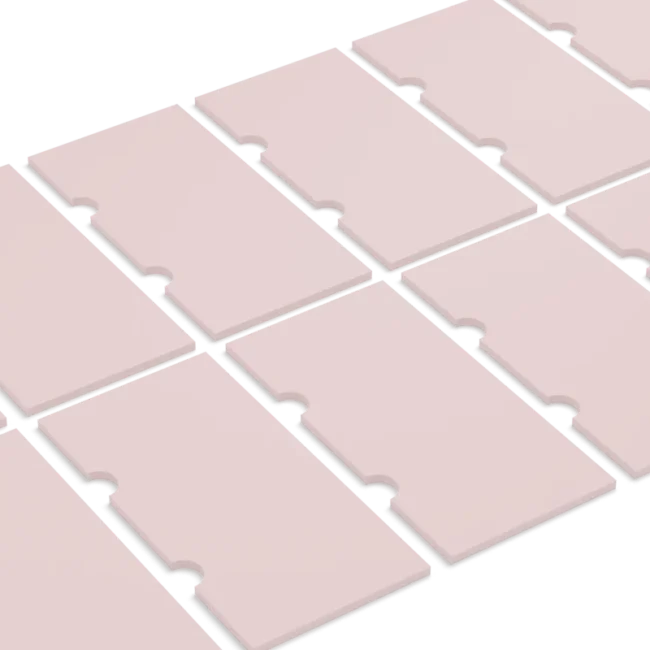
Product News | N700C, N800A-s, N800B, and N800C Non-Silicone Thermal Pads Comply with ASTM E595 Test Requirements. For detailed specifications, please refer to the product datasheets.