Validate Material Stability Under Harsh Environments
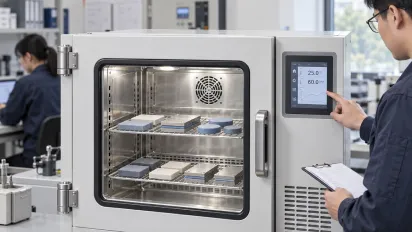
Shiu Li uses environmental tests such as high-temperature aging, low-temperature testing, and thermal shock testing to evaluate performance changes and the long-term reliability of thermal materials. Pre- and post-test material analysis helps reduce the risks of material degradation and changes in heat dissipation performance.
Beyond Initial Specifications: Focusing on Long-Term Performance
Evaluate Material Reliability From Environmental Stress to Performance Changes
Thermal interface materials are exposed to high and low temperatures and repeated temperature changes over extended periods. Aging or structural deformation may affect heat dissipation efficiency. Environmental reliability testing evaluates long-term material stability and provides a basis for validating product design and material selection.
thermostat
Thermal Performance Stability
Confirm Heat Dissipation Performance Under Environmental Changes
Evaluate changes in thermal conductivity and thermal resistance after environmental testing to confirm whether the material still meets application requirements.
expand
Material Structural Stability
Reduce Material Degradation Caused by Thermal Stress
Observe whether deformation, cracking, or other degradation occurs under high/low temperatures and repeated thermal stress.
deployed_code_history
Long-Term Reliability
Understand Performance Changes Over Extended Use
Use test conditions that simulate the operating environment to evaluate how material performance changes over time and under environmental stress.
Simulate Harsh Environments to Validate the Long-Term Stability of Thermal Materials
Through high-temperature and high-humidity, thermal shock, and high- and low-temperature testing, we evaluate changes in the performance and durability of thermal materials under different environmental conditions.
High-Temperature and High-Humidity Test
Simulate a high-temperature and high-humidity environment to evaluate changes in the physical and thermal properties of thermal materials after prolonged damp-heat exposure.
Test Method: Internal test method
Thermal Shock Test
Rapidly alternate between high and low temperatures to evaluate deformation, cracking, and performance changes caused by thermal stress.
Test Method: Internal test method
Ultra-Low-Temperature Test
Simulate ultra-low-temperature operating conditions and observe whether thermal materials harden, become brittle, or undergo other changes in physical properties.
Test Method: Internal test method
High-Temperature Test
Use continuous high-temperature exposure to evaluate thermal aging and changes in the physical properties and thermal performance of thermal materials.
Test Method: Internal test method
Confirm Material Reliability Through Pre- and Post-Test Performance Changes
Use Defined Test Conditions and Measurement Methods to Confirm Performance Changes Under Environmental Stress
Set temperature, humidity, test duration, and cycle count according to the characteristics and application requirements of different thermal materials to simulate their use under various environmental conditions. After testing, evaluate thermal resistance and adhesion performance to understand how environmental stress affects material performance.
device_thermostat
Environmental Test Conditions
Set different environmental conditions and test cycles according to material type and test requirements to evaluate stability after extended use or repeated temperature changes.
Room-Temperature Control Group
25 ± 2°C
Test Duration: 200, 400, 700, and 1,000 hours
High-Temperature Test for Thermal Pads
125 ± 2°C
Test Duration: 200, 400, 700, and 1,000 hours
High-Temperature Test for Thermal Adhesive Tapes
> 80°C ± 2°C
Test Duration: 200, 400, 700, and 1,000 hours
Ultra-Low-Temperature Test
25 ± 2°C
Test Duration: 200, 400, 700, and 1,000 hours
High-Temperature and High-Humidity Test
85 ± 2°C
85 ± 2% RH
Test Duration: 200, 400, 700, and 1,000 hours
Thermal Shock Test
−40~120°C
15 minutes per stage
Number of Cycles: 100, 200, 300, 400, and 500
query_stats
Post-Test Performance Evaluation Methods
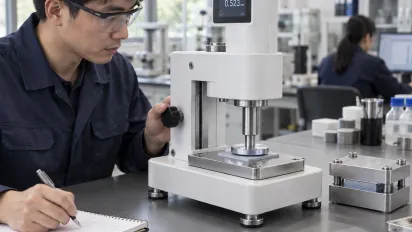
After environmental testing, measure thermal resistance or adhesion performance according to material type. Compare changes before and after testing as a reference for assessing material reliability and selecting products.
Thermal Resistance Test for Thermal Pads
Confirm Thermal Interface Performance After Environmental Testing
60°C
50 psi
Thermal Resistance Test for Thermal Adhesive Tapes
Evaluate the Heat Transfer Stability of Thermal Adhesive Tapes
60°C
50 psi
90° Peel Test
Confirm Changes in the Adhesion Performance of Thermal Adhesive Tapes
300 mm/min
speed
Professional Reliability Test Equipment to Validate Long-Term Material Stability
Evaluate the environmental resistance and reliability of thermal materials through high/low-temperature, damp-heat, thermal shock, and adhesion performance testing.
Room-Temperature Holding Power Test
Test the slip resistance of thermal adhesive tapes under room temperature and continuous load to evaluate long-term adhesion holding power.
Thermal Shock Test Chamber
Simulate rapid high/low-temperature changes to evaluate deformation, cracking, and performance changes caused by thermal stress.
High-Temperature Holding Power Test
Test the slip resistance of thermal adhesive tapes under high temperature and continuous load to evaluate adhesion holding power after heating.
High-Temperature and High-Humidity Test Chamber
Simulate a high-temperature and high-humidity environment to evaluate changes in the physical and thermal properties after prolonged damp-heat exposure.
High-Temperature Aging Test Chamber
Simulate an extreme high-temperature environment to evaluate the heat resistance of thermal materials and performance changes after high-temperature aging.
High-Temperature and High-Humidity Test Chamber
Use prolonged high-temperature testing to evaluate changes in the hardness, physical properties, and thermal performance of thermal materials.
Low-Temperature Aging Test Chamber
Simulate a low-temperature operating environment to evaluate the low-temperature resistance of thermal materials and changes in physical properties such as hardening and embrittlement.
Comprehensive Technical Support from Material R&D to Mass Production
Whether you need material selection for a new product, solutions for special environments or custom development, LiPOLY’s engineering team can help evaluate suitable materials and validation methods.
Make Material Reliability Meet Your Application Requirements
Evaluate the Right Material Solution Based on the Operating Environment and Test Conditions
From prolonged high temperatures to repeated thermal cycling, Shiu Li can help evaluate material performance and reliability requirements and provide relevant test data and technical material-selection recommendations.
support_agent
Technical Support
Evaluate the best thermal solution
trackpad_input
Material Selection
Quickly identify the right material combination
dashboard_2_edit
Custom Solutions
Create dedicated material solutions according to your needs