RBA
ROHS
REACH
UL
IATF 16949
ISO 14001
ISO 9001
ISO 45001
IECQ 080000

[rank_math_breadcrumb]

Aerospace

共 3 篇文章
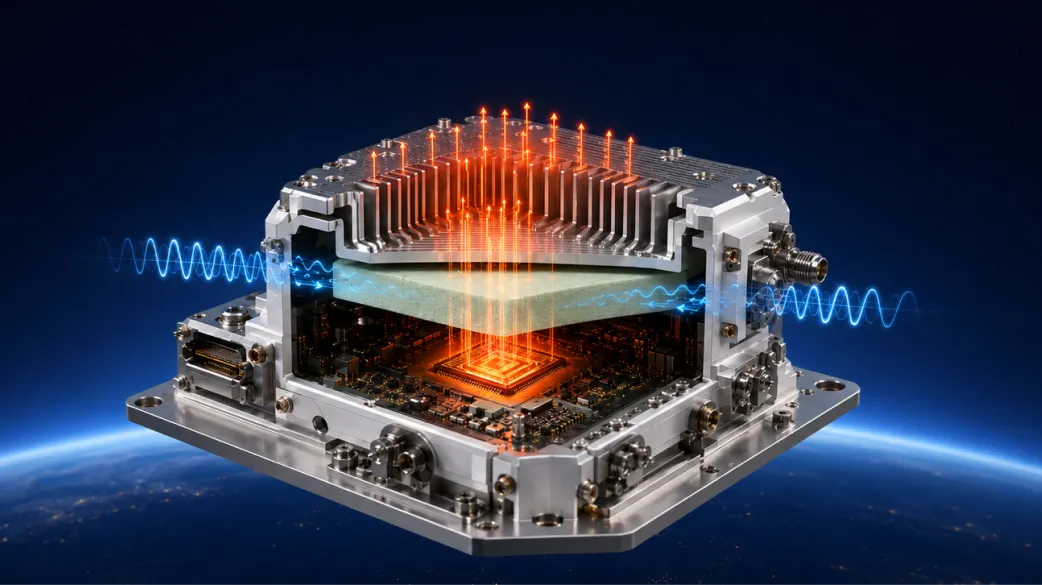
Aerospace electronic systems must address both heat dissipation from high-power components and high-frequency electromagnetic interference (EMI). This article explains how thermal conductive RF absorbers work, the performance requirements for aerospace environments, typical application scenarios, and how to choose between silicone and non-silicone materials.
In Low Earth Orbit (LEO) satellite and space equipment applications, the outgassing characteristics of materials directly impact device reliability. When volatile compounds are released in a vacuum environment, they can contaminate optical lenses, sensors, and precision electronic components. Adopting low outgassing thermal interface materials (TIMs) not only maintains stable heat dissipation performance but also effectively enhances the long-term operational reliability of satellite systems

Lightweight drones must integrate high-performance electronic equipment within limited space and weight constraints, making thermal management a critical aspect of design[cite: 1]. By selecting appropriate thermal interface materials (TIMs) and thermal management solutions, it not only improves system stability but also helps extend the lifespan of electronic components and enhance flight reliability

Thermal Solutions Expert

SHIU LI TECHNOLOGY CO., LTD.

Taoyuan City, Bade District, Yongfeng Road, No. 435

Contact Us

Product News | N700C, N800A-s, N800B, and N800C Non-Silicone Thermal Pads Comply with ASTM E595 Test Requirements. For detailed specifications, please refer to the product datasheets.