To address the dual bottlenecks of high heat generation and high-frequency electromagnetic interference (EMI) caused by high-density packaging in semiconductors and electronic equipment, LiPOLY will showcase breakthrough materials at NEPCON Japan 2026 that combine high thermal conductivity with high-frequency wave absorption, helping engineers eliminate electromagnetic noise and reduce thermal resistance.
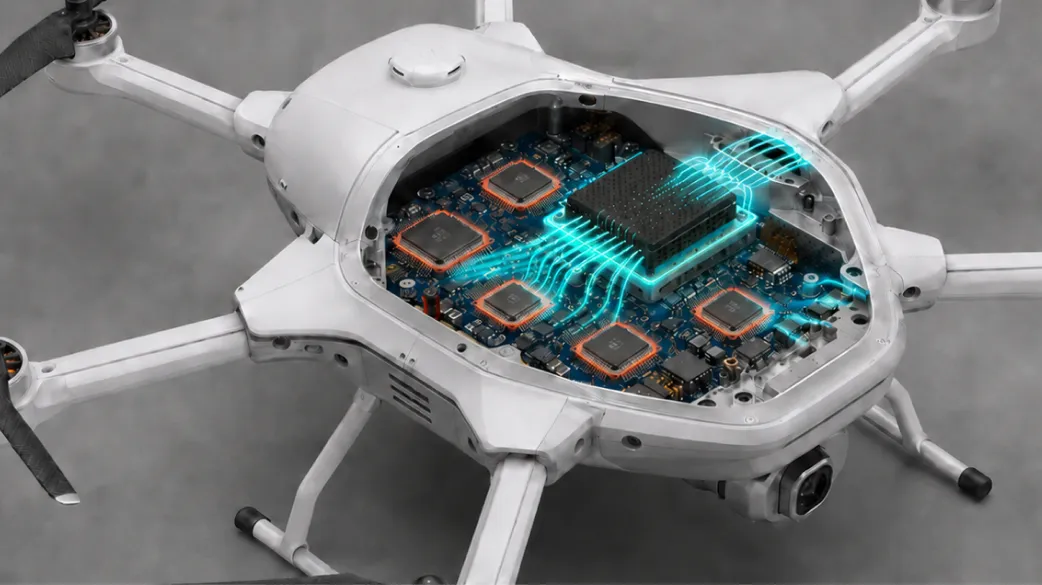
As AI computing, millimeter-wave communications, and high-speed data transmission are integrated into drone platforms, thermal management and electromagnetic interference have become critical design challenges. This article examines thermal EMI absorber applications in AI computing, mmWave radar, communication, and optical modules, including the value of non-silicone materials in reducing the risk of siloxane-related contamination.
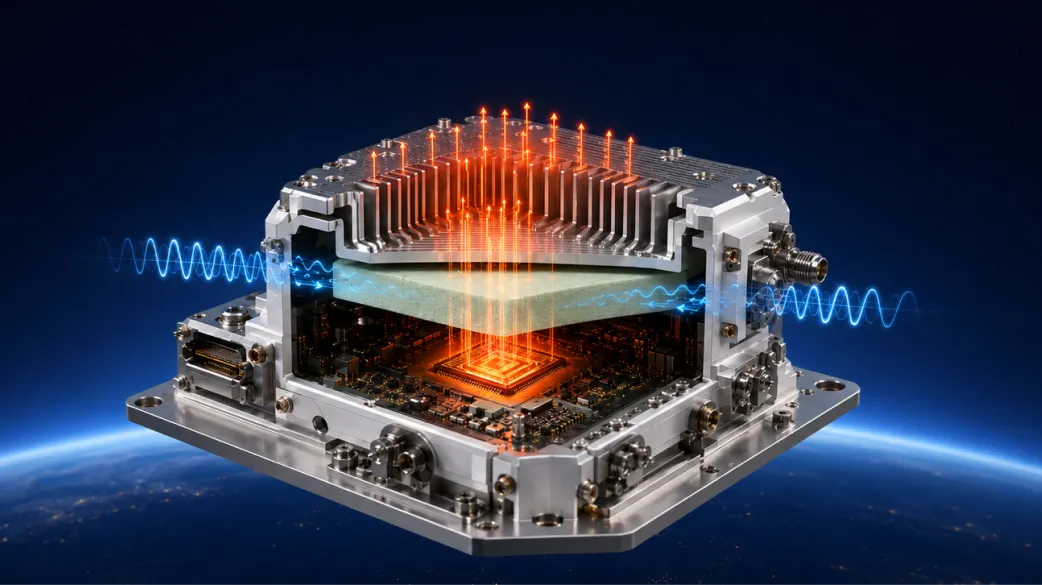
Aerospace electronic systems must address both heat dissipation from high-power components and high-frequency electromagnetic interference (EMI). This article explains how thermal conductive RF absorbers work, the performance requirements for aerospace environments, typical application scenarios, and how to choose between silicone and non-silicone materials.
Product News | N700C, N800A-s, N800B, and N800C Non-Silicone Thermal Pads Comply with ASTM E595 Test Requirements. For detailed specifications, please refer to the product datasheets.