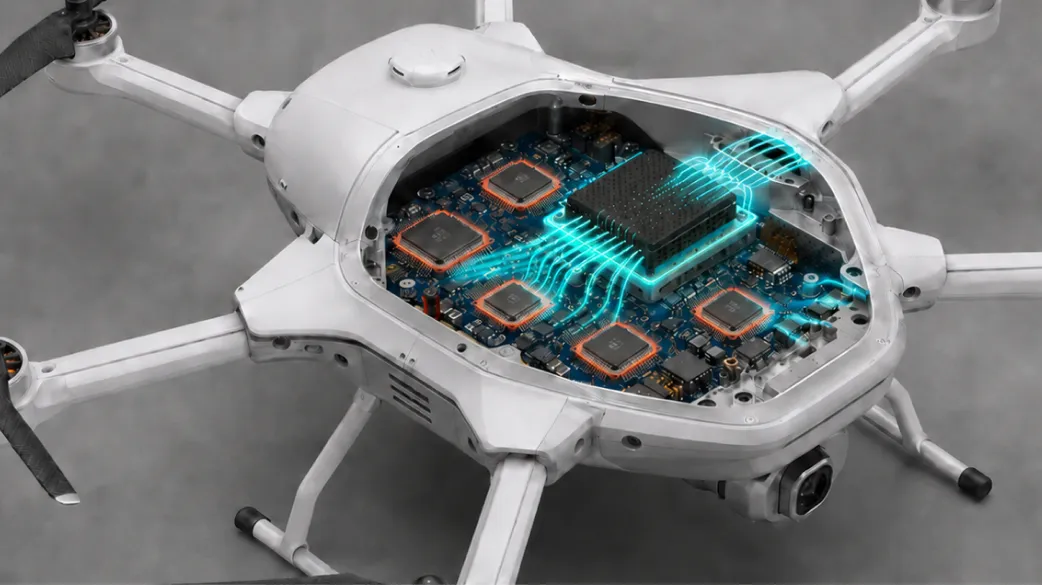
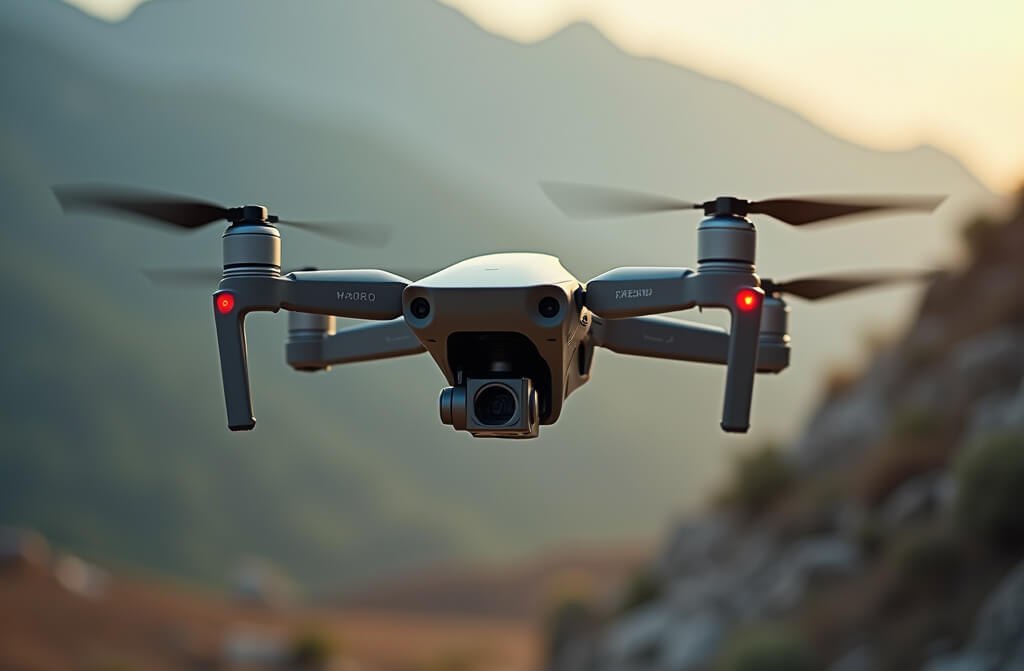
As AI computing, millimeter-wave communications, and high-speed data transmission are integrated into drone platforms, thermal management and electromagnetic interference have become critical design challenges. This article examines thermal EMI absorber applications in AI computing, mmWave radar, communication, and optical modules, including the value of non-silicone materials in reducing the risk of siloxane-related contamination.