

RBA
ROHS
REACH
UL
IATF 16949
ISO 14001
ISO 9001
ISO/TS 16949
IECQ 080000

能源管理

需顧慮產品因時因地的環境氣候考量,導熱的要求相對高度嚴謹,旭立科技擁有創新應變能力,開發出多款導熱片、導熱絕緣片、高絕緣導熱雙面膠、導熱灌封膠…等複合式材料解決方案

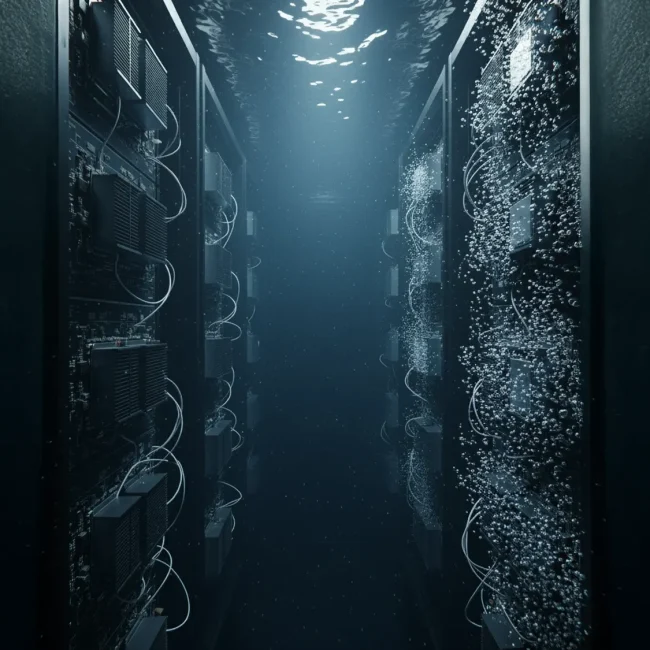
Which immersion cooling suits your AI server? Compare two-phase vs single-phase cooling efficiency, cost & thermal pad compatibility. See LiPoly's solutions.

Two-Phase vs Single-Phase Immersion Cooling | LiPoly

Single-phase and two-phase immersion cooling are critical technologies for AI server thermal management. By submerging servers in a dielectric fluid, the challenge of overheating can be effectively addressed. The selection between single-phase and two-phase coolants hinges on two primary factors—deployment cost and cooling efficiency—where single-phase cooling is suitable for simpler, cost-sensitive systems, and two-phase systems are the preferred choice for high-performance heat dissipation needs.

瞭解更多 »
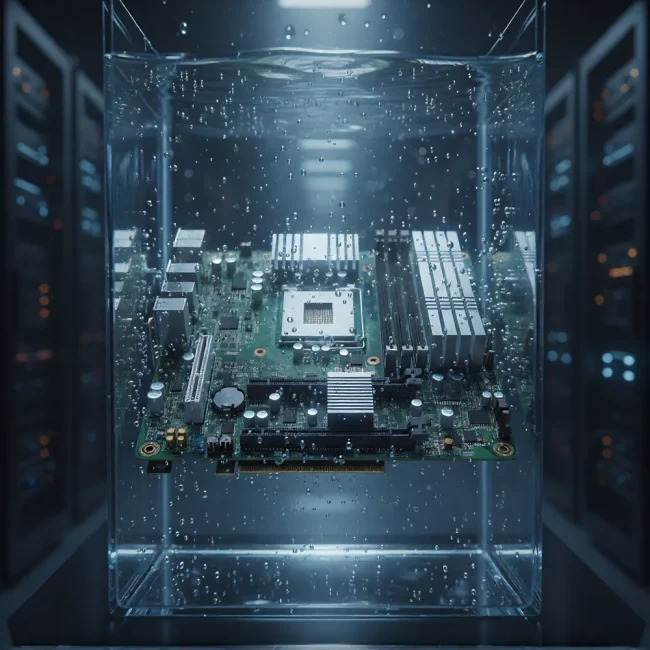
Immersion cooling technology submerges electronic equipment completely in non-conductive coolant, which may appear to enable direct heat dissipation. However, the thermal conductivity of coolant fluid is far lower than that of metal heat sink fins. Liquid convection alone cannot effectively handle the concentrated heat generated by electronic components. Thermal interface materials fill the microscopic gaps between components and heat dissipation structures, providing a higher-conductivity heat transfer path, overcoming boundary layer limitations, and replacing conventional thermal pastes that are prone to dissolving — ensuring immersion cooling systems achieve optimal thermal dissipation efficiency.

Why Do Immersion Cooling Systems Still Need Thermal Pads?

Immersion cooling technology submerges electronic devices completely in non-conductive coolant, which seems to provide direct heat dissipation. However, the thermal conductivity of coolant is far lower than that of metal heat sinks. Liquid convection alone cannot effectively handle the concentrated heat generated by electronic components. Thermal pads can fill microscopic gaps between components and heat dissipation structures, providing higher thermal conductivity pathways, overcoming boundary layer limitations, and replacing easily dissolved traditional thermal paste to ensure optimal heat dissipation efficiency in immersion systems

瞭解更多 »

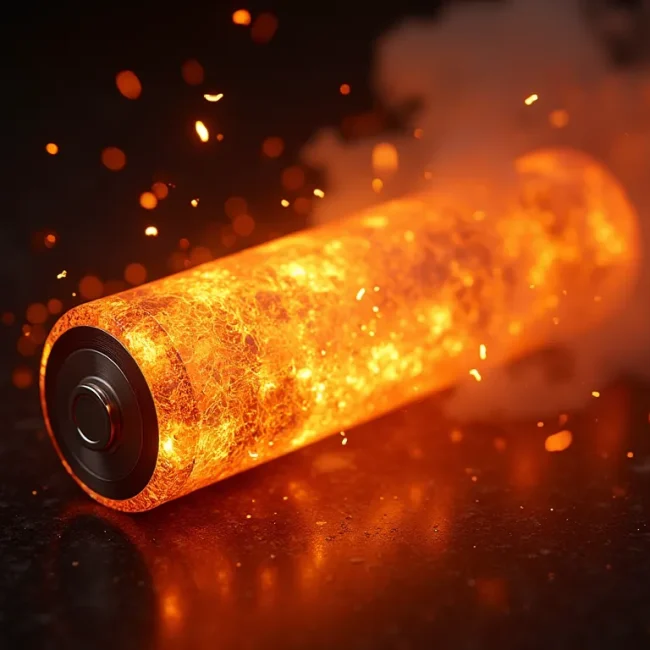
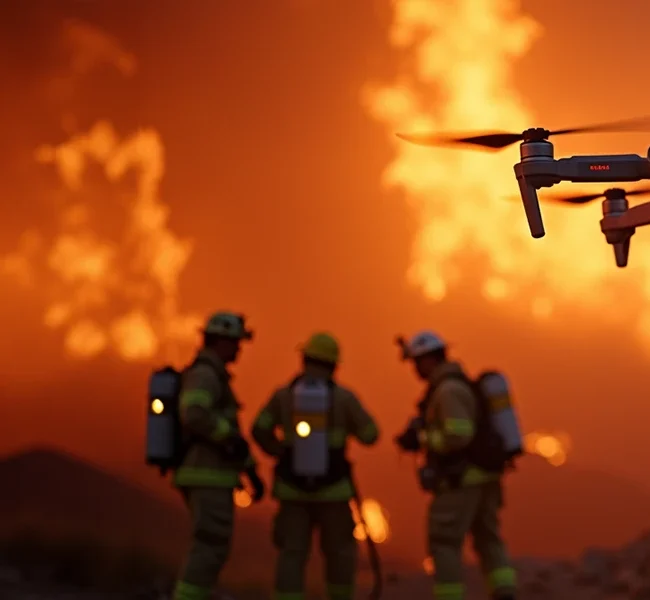
Lithium Battery Fire Health Risks: Lessons from the California Battery Storage Facility Incident

As renewable energy rapidly expands, the demand for large-scale lithium battery storage systems continues to grow. However, the California lithium battery storage facility fire has once again exposed the latent safety risks of energy storage systems. This article examines the lithium battery fire health risks in depth, explores the mechanisms behind thermal runaway, and outlines effective prevention and thermal management solutions.

瞭解更多 »

Preventing Thermal Runaway in Lithium-Ion Batteries

Lithium battery thermal runaway refers to a phenomenon where the battery temperature rises rapidly due to physical damage or short circuits, causing electrolyte decomposition and producing flammable gases. If adjacent battery modules are affected, it can trigger a chain reaction, ultimately leading to fire or explosion. This phenomenon not only threatens equipment safety but may also cause serious harm to personal safety and property.

瞭解更多 »
Search

Thermal Solutions Expert

LiPOLY® Advance TIMs

Taoyuan City, Bade District, Yongfeng Road, No. 435

Contact Us