


RBA
ROHS
REACH
UL
IATF 16949
ISO 14001
ISO 9001
ISO/TS 16949
IECQ 080000

消費級產品

多功能晶片在輕薄短小的空間中,執行高速運算過程會產生大量的熱能,而熱對策方案從被動式的對流,傳導,均溫,甚至熱輻射的方案皆能依產品的設計,訴求不同而廣泛的應用在不同3C產品中。

Which immersion cooling suits your AI server? Compare two-phase vs single-phase cooling efficiency, cost & thermal pad compatibility. See LiPoly's solutions.

Two-Phase vs Single-Phase Immersion Cooling | LiPoly

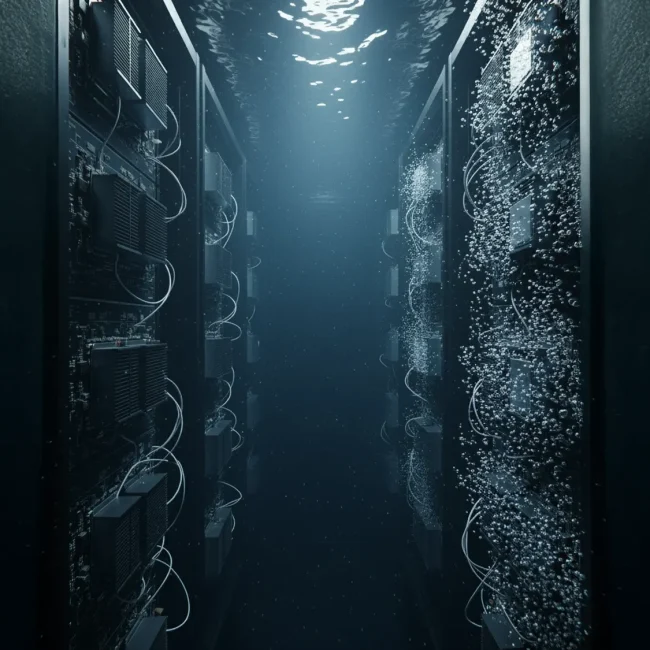
Single-phase and two-phase immersion cooling are critical technologies for AI server thermal management. By submerging servers in a dielectric fluid, the challenge of overheating can be effectively addressed. The selection between single-phase and two-phase coolants hinges on two primary factors—deployment cost and cooling efficiency—where single-phase cooling is suitable for simpler, cost-sensitive systems, and two-phase systems are the preferred choice for high-performance heat dissipation needs.

瞭解更多 »
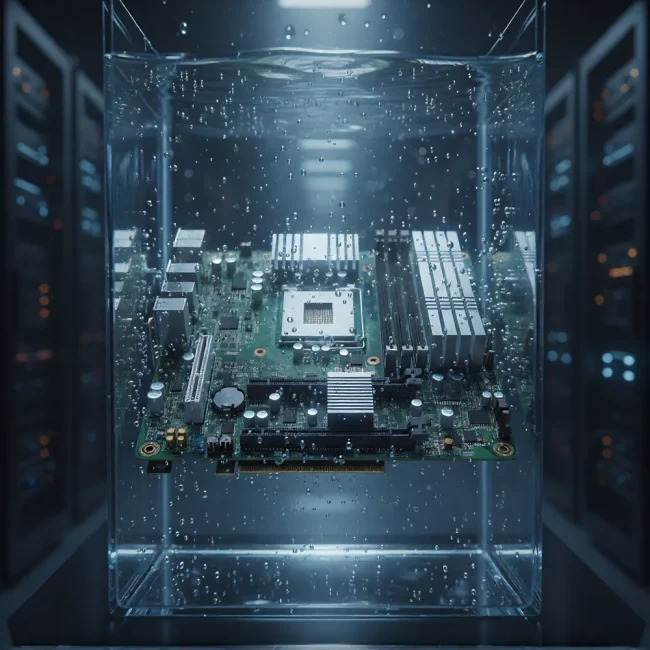
Immersion cooling technology submerges electronic equipment completely in non-conductive coolant, which may appear to enable direct heat dissipation. However, the thermal conductivity of coolant fluid is far lower than that of metal heat sink fins. Liquid convection alone cannot effectively handle the concentrated heat generated by electronic components. Thermal interface materials fill the microscopic gaps between components and heat dissipation structures, providing a higher-conductivity heat transfer path, overcoming boundary layer limitations, and replacing conventional thermal pastes that are prone to dissolving — ensuring immersion cooling systems achieve optimal thermal dissipation efficiency.

Why Do Immersion Cooling Systems Still Need Thermal Pads?

Immersion cooling technology submerges electronic devices completely in non-conductive coolant, which seems to provide direct heat dissipation. However, the thermal conductivity of coolant is far lower than that of metal heat sinks. Liquid convection alone cannot effectively handle the concentrated heat generated by electronic components. Thermal pads can fill microscopic gaps between components and heat dissipation structures, providing higher thermal conductivity pathways, overcoming boundary layer limitations, and replacing easily dissolved traditional thermal paste to ensure optimal heat dissipation efficiency in immersion systems

瞭解更多 »
Lightweight thermal materials for drones must satisfy high-efficiency heat dissipation requirements while maintaining lightness and environmental adaptability. From high thermal conductivity resins to aerogel insulation, innovative aerodynamic design technologies are providing diverse solutions for drone performance enhancement.

Thermal Materials for Lightweight Drones

Lightweight thermal materials for drones must satisfy high-efficiency heat dissipation requirements while maintaining lightness and environmental adaptability. From high thermal conductivity resins to aerogel insulation, innovative aerodynamic design technologies are providing diverse solutions for drone performance enhancement.

瞭解更多 »
Search

Thermal Solutions Expert

LiPOLY® Advance TIMs

Taoyuan City, Bade District, Yongfeng Road, No. 435

Contact Us